Follow Me On Social Media!

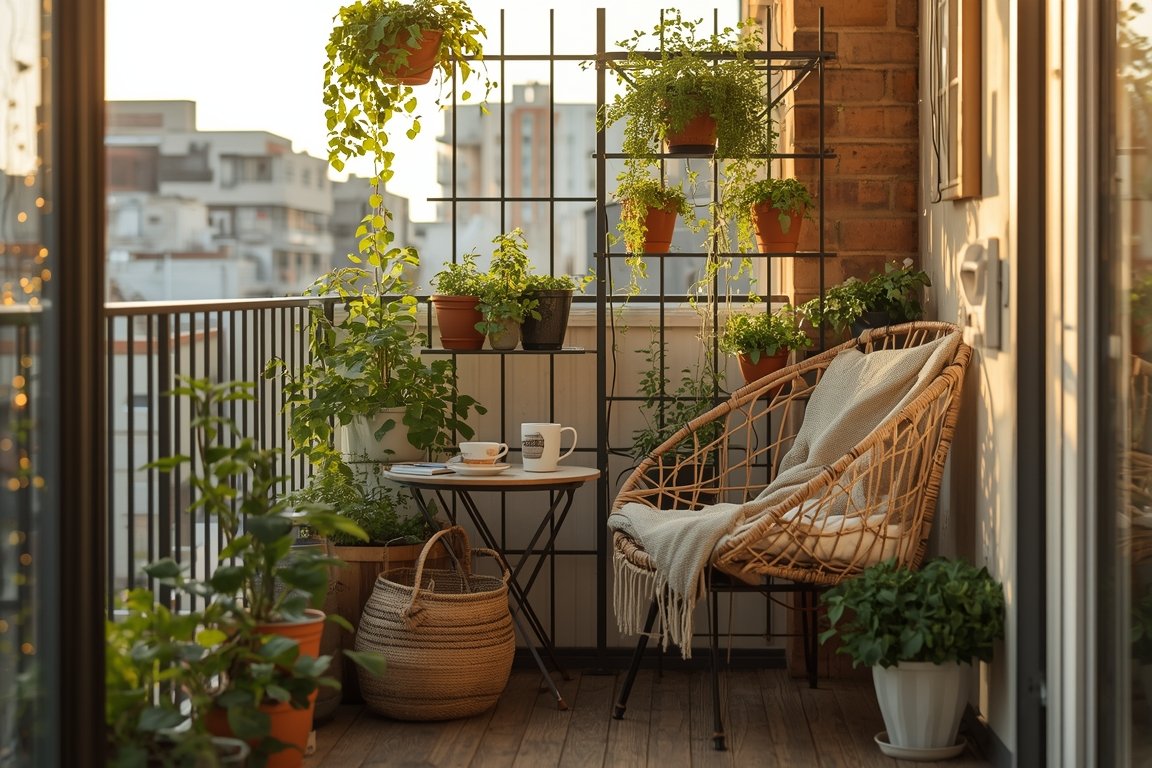
7 Small Balcony Garden Ideas That Make Your Space Feel Huge

Your balcony may be tiny, but your plant dreams don’t have to be. With a few smart moves, you can turn that small square of outdoor real estate into a lush little escape—minus the clutter and overwhelm. Ready to squeeze every drop of magic out of your mini oasis? Let’s dig in.
1. Go Vertical Or Go Home
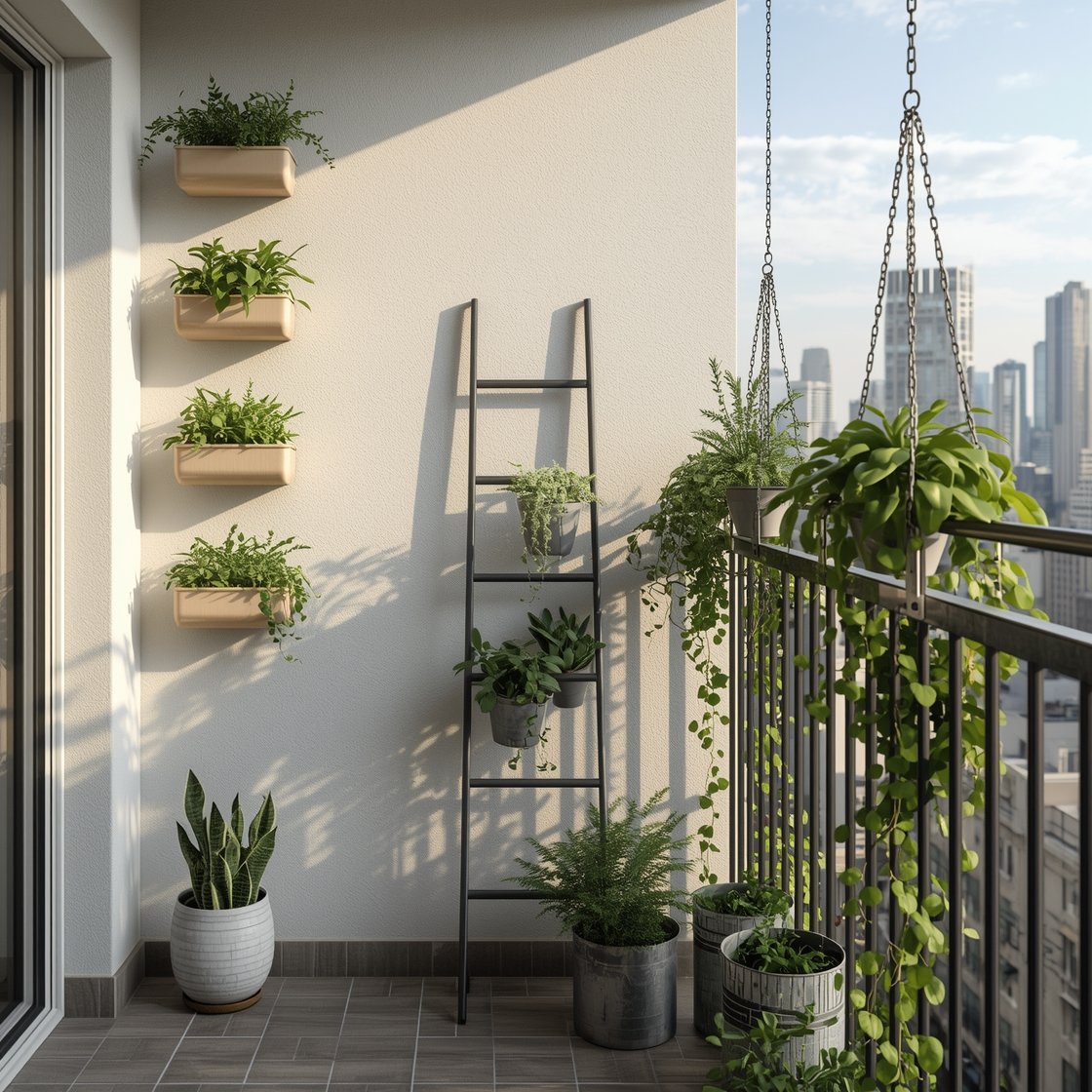
Horizontal space is limited. Vertical space? Practically infinite. Think of your walls and railings as prime real estate for greenery that doesn’t trip you while you sip coffee.
Smart Ways To Climb Up
- Wall-mounted planters: Stagger narrow troughs or modular pockets to frame your view.
- Ladder shelves: Slim, tiered, and easy to move—great for renters.
- Rail planters: Use the outside of the railing to keep the floor clear (check building rules, FYI).
- Hanging chains and hooks: Hang pots at different heights for a cascading look.
Choose trailing plants like string of pearls, pothos, ivy, or bacopa to soften edges and make your balcony feel cozy instead of cramped.
2. Pick Plants That Actually Thrive
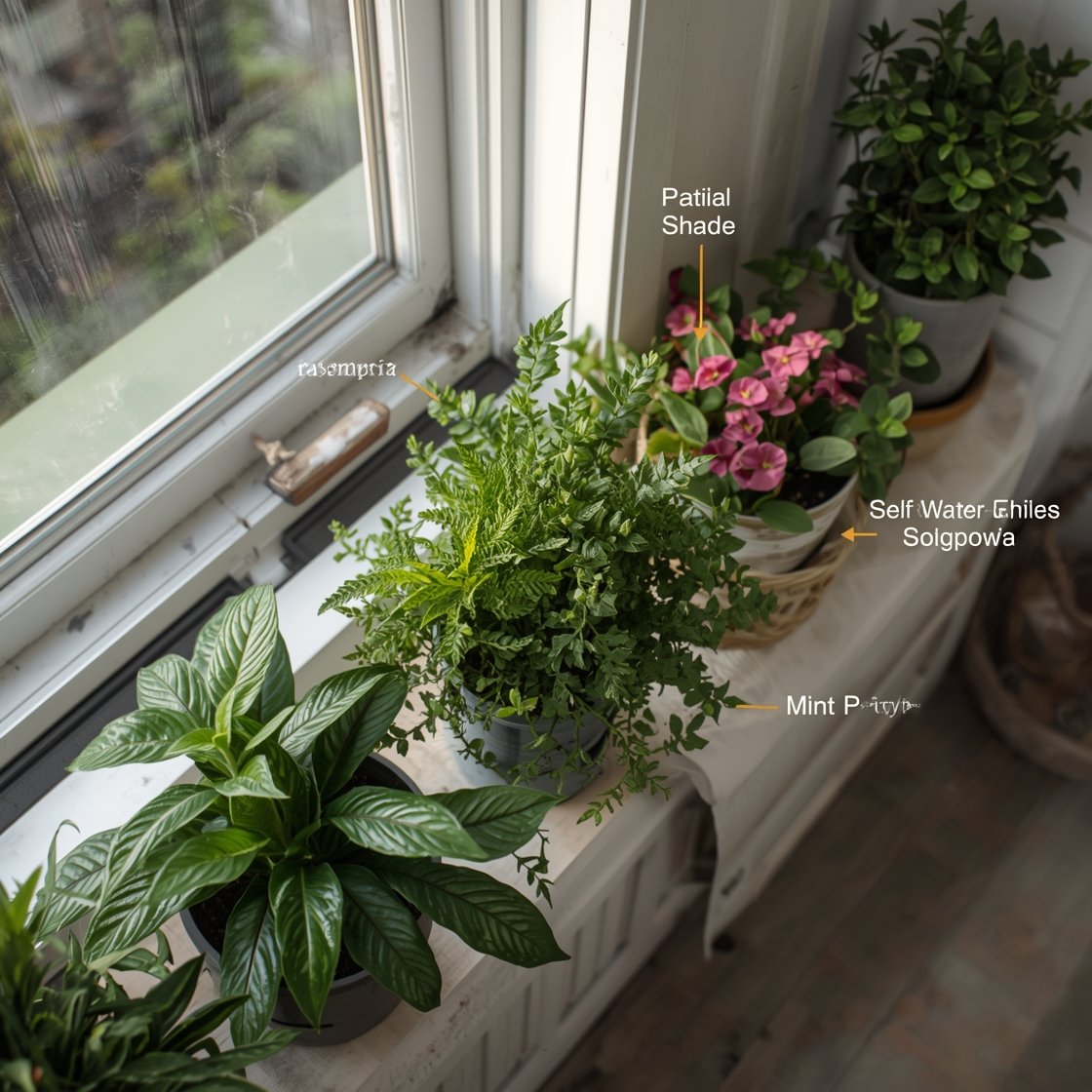
Be honest about your light and wind. A south-facing sun trap wants heat lovers; a shaded urban nook needs plants that don’t sulk in low light. Don’t fight your microclimate—embrace it.
Plant Pairings By Light
- Full sun (5–8 hours): Lavender, rosemary, dwarf citrus, sedum, portulaca, geranium.
- Partial shade (2–4 hours): Begonia, heuchera, fern-like asparagus, herbs like mint and parsley.
- Shade: Snake plant, ZZ plant, philodendron, peace lily, hardy ivy.
Windy balcony? Go for tougher leaves (succulents, rosemary) and weighted pots. If you’re forgetful with water (no judgment), pick self-watering planters and drought-tolerant plants like jade or echeveria.
3. Use Multi-Tasking Furniture
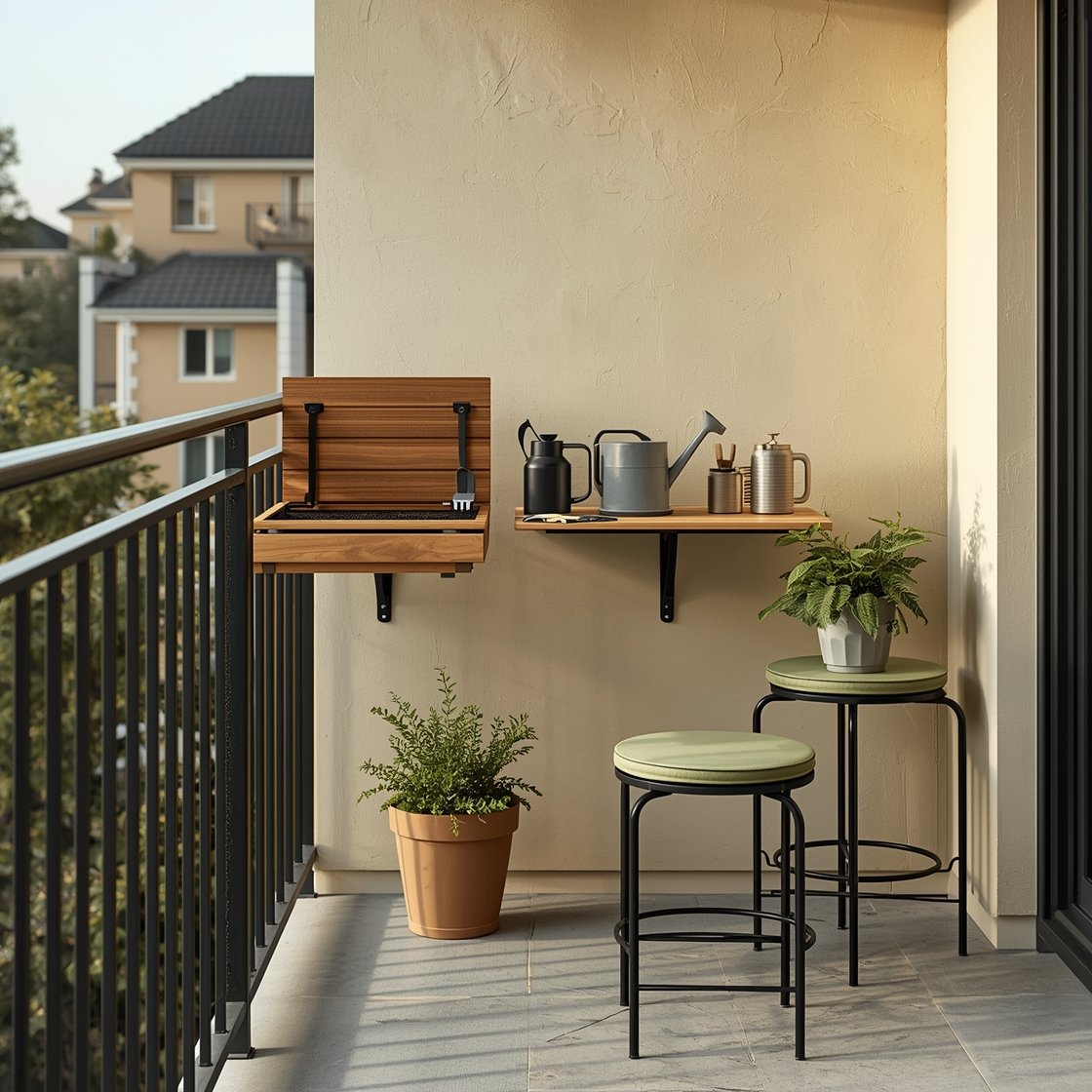
Every piece should earn its keep. If it can’t store, fold, or hide, it’s probably not invited to your small balcony party.
Space-Saving MVPs
- Fold-down bistro set: Easy to tuck away when yoga time rolls around.
- Storage bench: Stash soil, gloves, and a watering can inside—plants on top.
- Rail-mounted bar table: Clips to the railing and doubles as a potting station.
- Nesting stools: Extra seating or plant stands when needed.
Stick to a tight palette: one wood tone, one metal, and one accent color. It looks intentional and chic—even when you’re watering in pajamas.
4. Create Zones With Layers
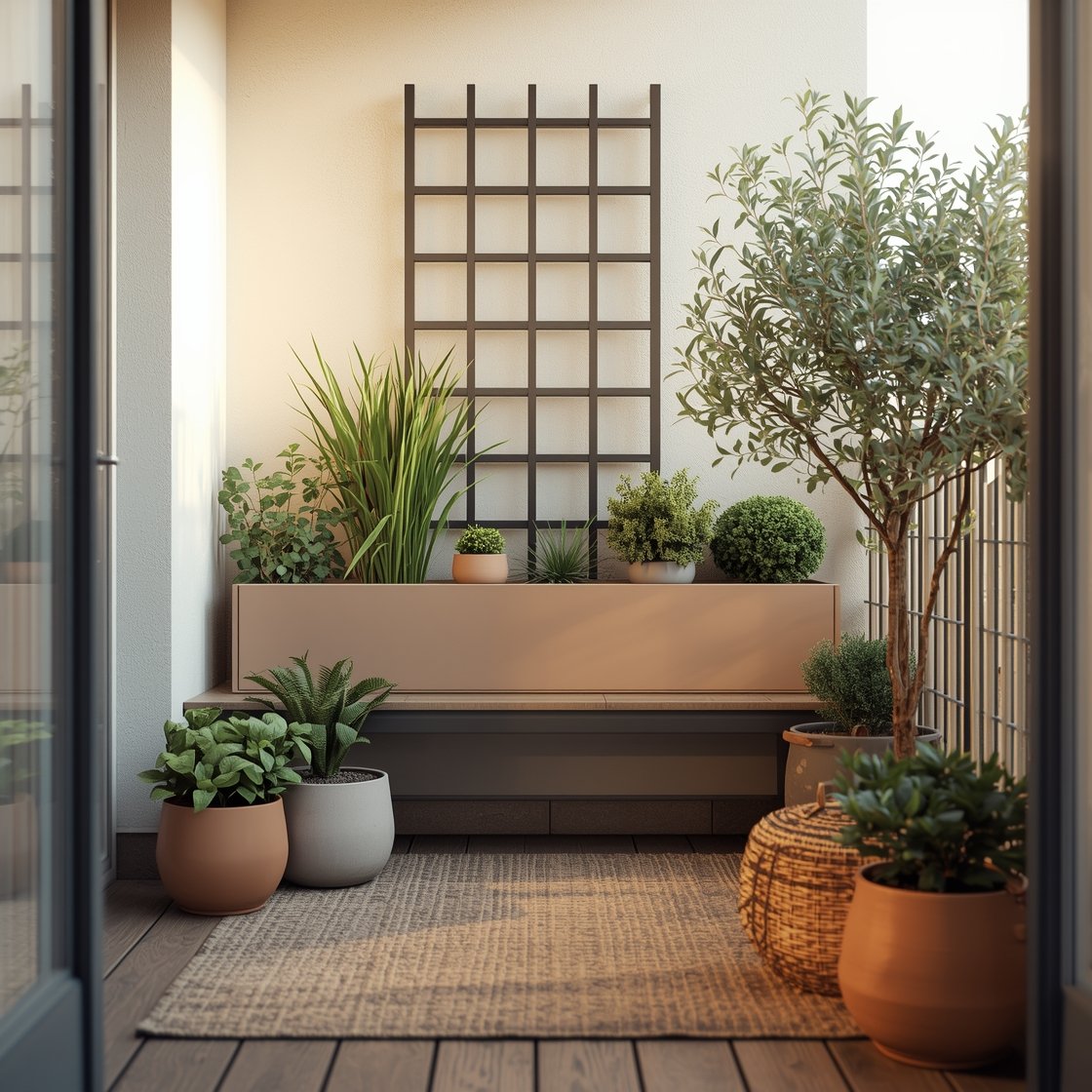
Yes, even tiny balconies need zones. It makes the space feel designed, not random. Layer textures and heights to create depth and that “wow, it’s bigger” illusion.
How To Layer Without Clutter
- Ground layer: Weatherproof rug or interlocking deck tiles to define the floor.
- Mid layer: Planters at seat height—think leafy herbs and compact shrubs.
- Tall layer: A slim tree (olive, ficus, or bamboo) or a trellis to draw the eye up.
Use odd-number groupings (3s or 5s) and vary pot shapes. Mix matte ceramics with woven baskets for texture. Your balcony just got a personality.
5. Grow Food Without Losing Space
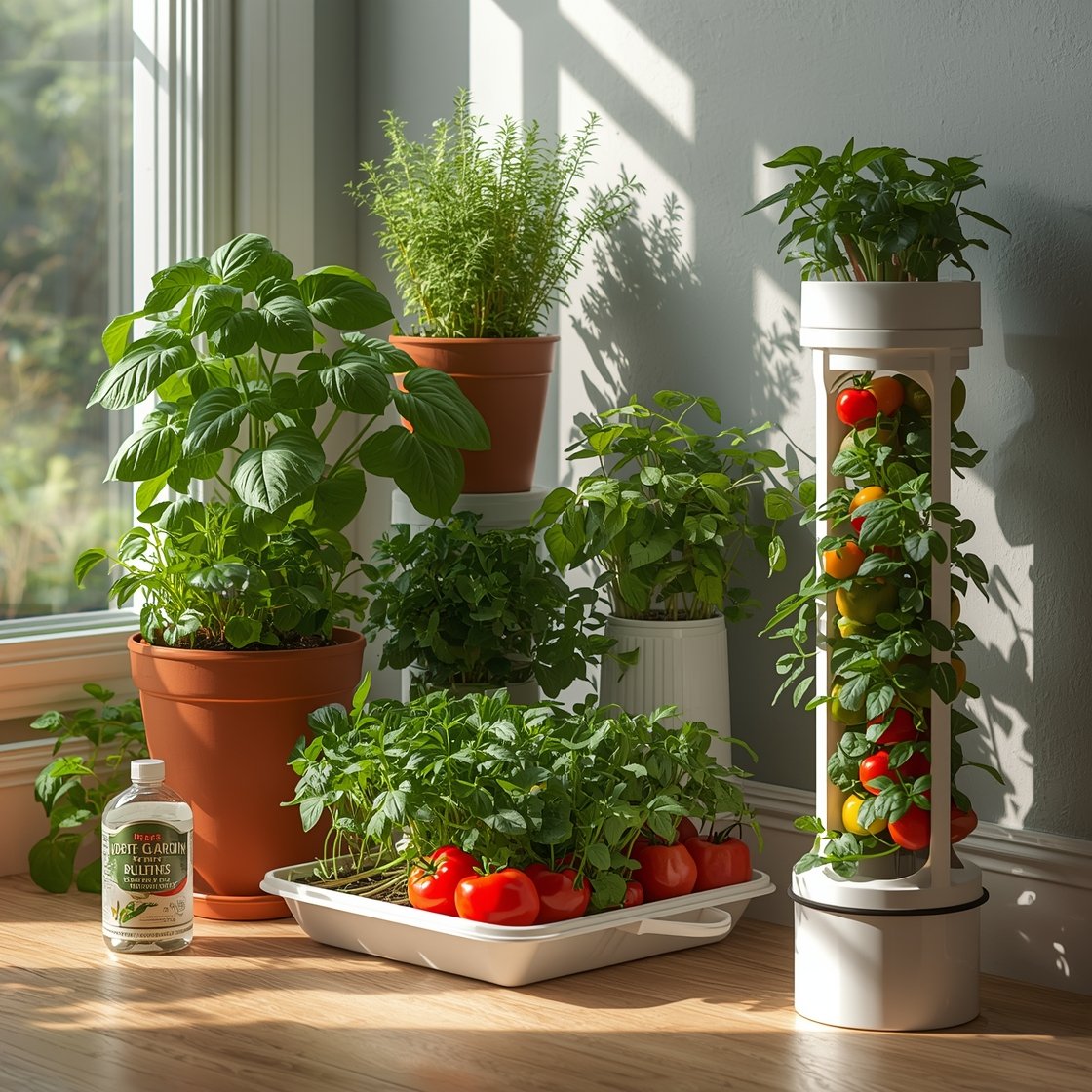
Want a mini farm without sacrificing your morning coffee spot? Totally doable. The trick is choosing compact, high-yield plants and growing up, not out.
Edible Hits For Small Balconies
- Herbs: Basil, chives, parsley, thyme—snip and repeat all season.
- Leafy greens: Cut-and-come-again lettuce, arugula, spinach in shallow trays.
- Compact veggies: Dwarf tomatoes, chilies, bush beans, and patio peppers.
- Microgreens: Ready in 10–14 days—chefs would approve.
Use stackable planters or a vertical hydroponic tower if you love gadgets. Feed lightly every 2–3 weeks, and water consistently to keep flavor top-notch. IMO, nothing beats a balcony tomato on toast.
6. Make It Cozy With Lighting And Textiles
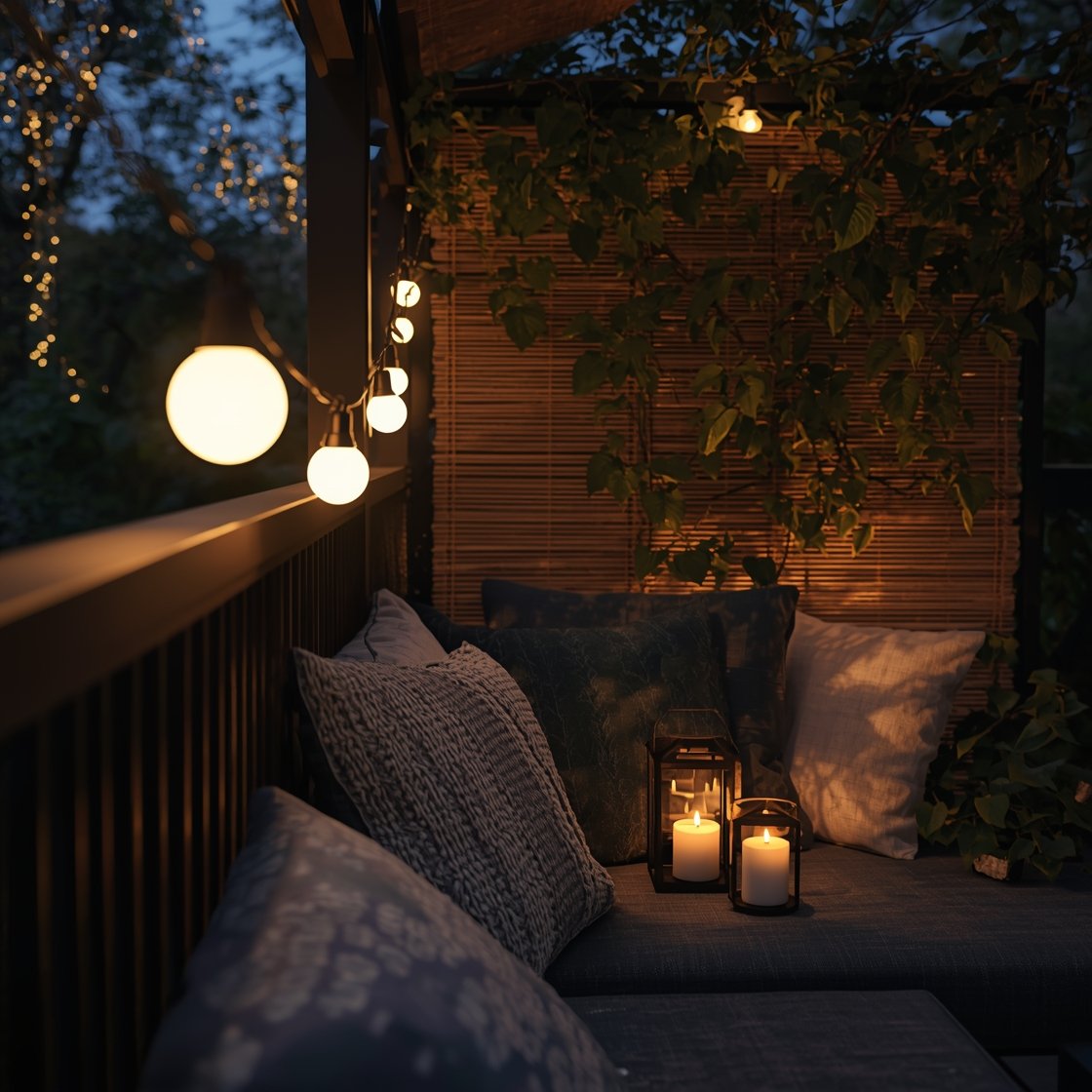
Your balcony should feel like an evening escape, not a storage corner. Lighting and soft textures transform the vibe instantly.
Set The Mood
- Solar string lights: Drape them along the railing or overhead for a glow that says “stay awhile.”
- LED candles or lanterns: Flameless and renter-safe—no drama with neighbors.
- Outdoor cushions + throw: Choose fade- and mildew-resistant fabrics; store in a bench when not in use.
- Privacy screen: Bamboo, outdoor curtains, or trellis with climbers for that secluded café feel.
Stick to warm white light for a cozy, flattering atmosphere. Cool white can feel… office-y. We’re not doing spreadsheets out here.
7. Watering, Drainage, And The “Don’t Annoy Your Neighbors” Plan
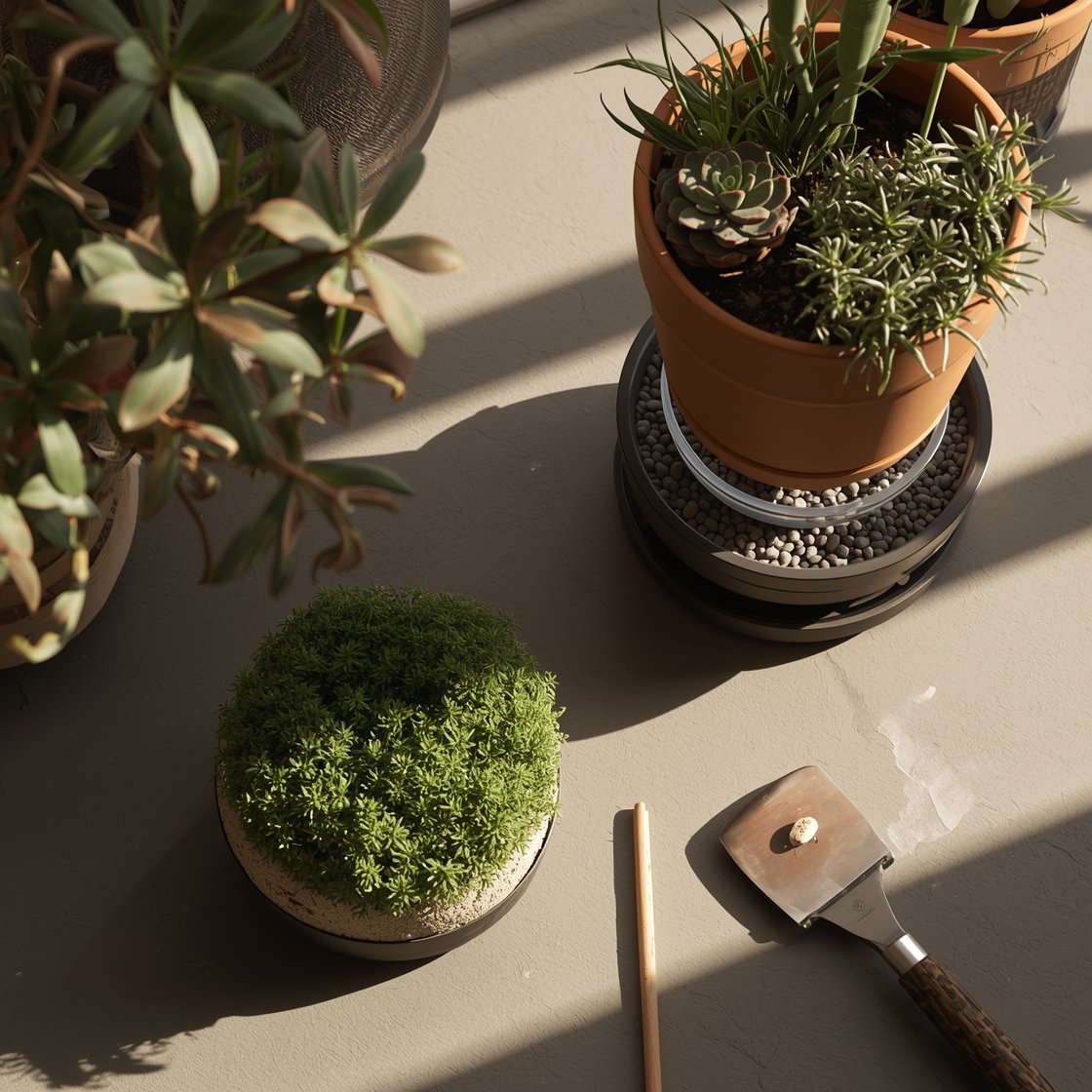
Nothing kills balcony joy like soggy floors or water dripping onto someone’s patio dinner. A little planning saves headaches (and awkward elevator rides).
Keep Plants Happy And Floors Dry
- Use saucers or cachepots: Catch runoff and protect your decking.
- Add drainage layers: Lightweight gravel or pot feet to keep roots from sitting in water.
- Self-watering planters: Ideal for weekend getaways and forgetful waterers, FYI.
- Water in the morning: Less evaporation and fewer pests.
- Group by thirst: Succulents together, herbs together—easier routines, healthier plants.
Quick maintenance routine: deadhead weekly, rotate pots monthly for even growth, and refresh soil top-ups each season. Your balcony will look curated, not chaotic.
Final Thought: Small balconies can be mighty. With vertical tricks, smart plants, and cozy layers, you’ll create a pocket paradise that feels intentional and seriously relaxing. Start with one idea, build from there, and watch your tiny outdoor space go from “meh” to “my favorite spot.”