Follow Me On Social Media!

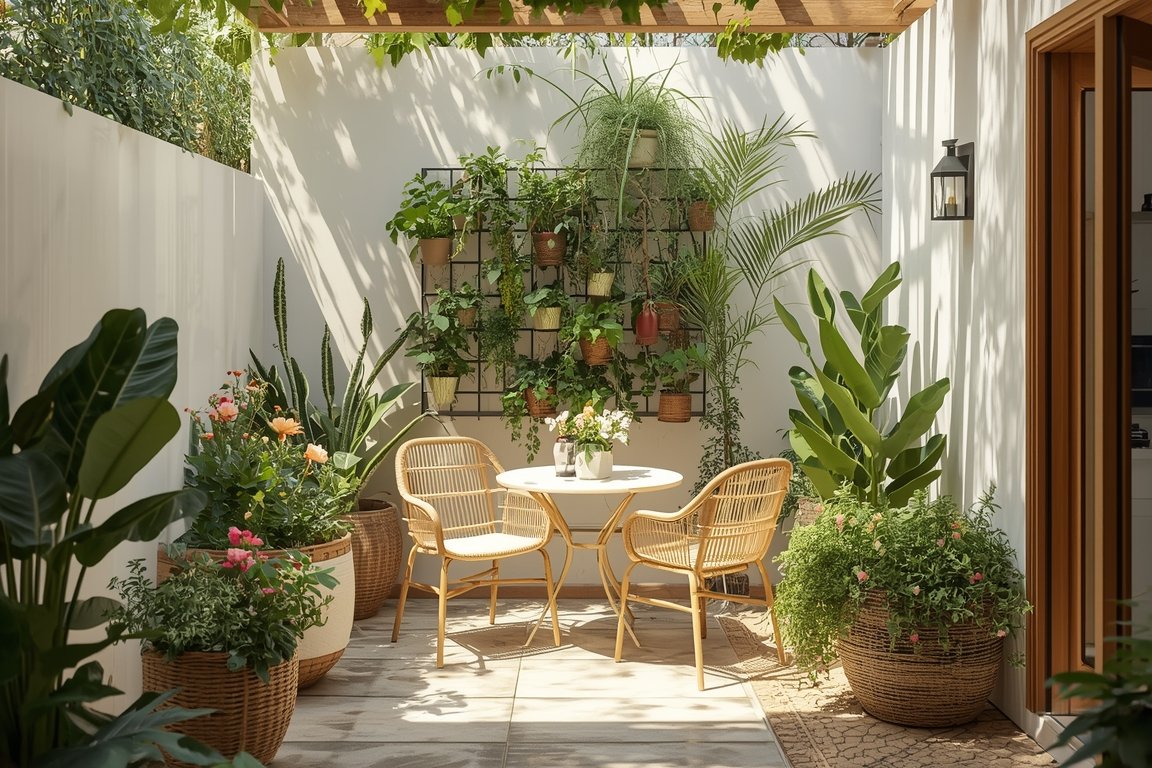
7 Small Garden Ideas That Instantly Make Your Outdoor Space Feel Bigger

Got a teeny-tiny outdoor space? Perfect. Small gardens are basically design playgrounds—every inch matters, and you can make serious magic with smart choices. Think vertical tricks, layered textures, and furniture that multitasks like a champ. Ready to turn your mini patch into the most charming spot on the block?
1. Go Vertical, Grow Wild
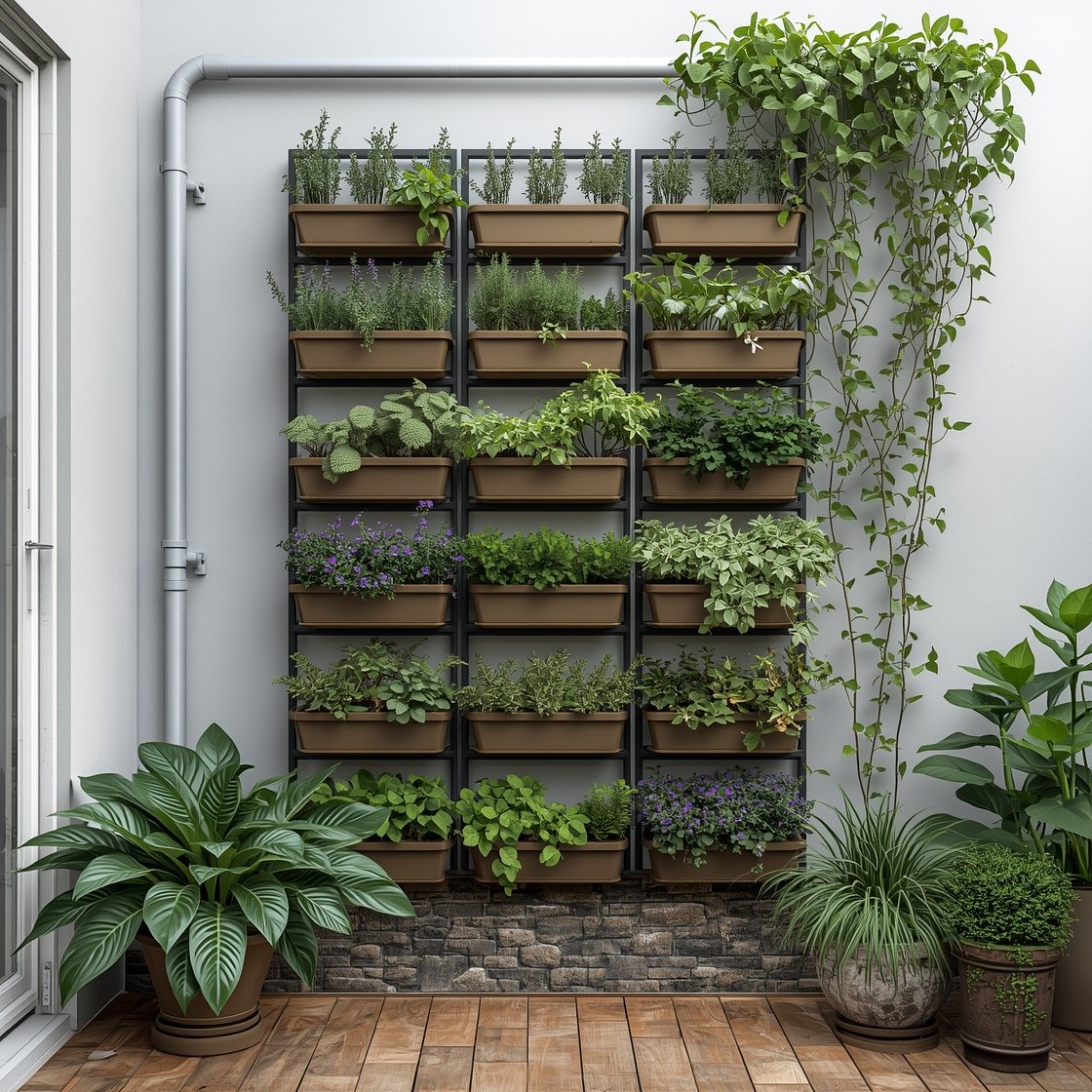
When you can’t spread out, you go up. Vertical gardens create lush backdrops without stealing precious floor space. They’re also ridiculously photogenic—hello, living wallpaper.
How to Build Your Green Wall
- Modular planters: Stackable pockets or panels make it easy to swap plants seasonally.
- Climbers: Train jasmine, clematis, or ivy on trellises for fast coverage and dreamy fragrance.
- Shelves: Stagger narrow shelves for herbs and small pots—instant vertical herb bar.
Pro tip: Layer textures—glossy philodendron next to airy ferns next to tactile succulents. The contrast makes your wall feel rich and intentional, not random.
What to Plant
- Sunny spots: Rosemary, trailing lantana, thyme, sedum.
- Shady spots: Ferns, heuchera, hosta, trailing ivy.
FYI: Drip irrigation along the top row saves you from playing watering-can Tetris.
2. Create Zones (Even If You’ve Got Six Feet of Patio)
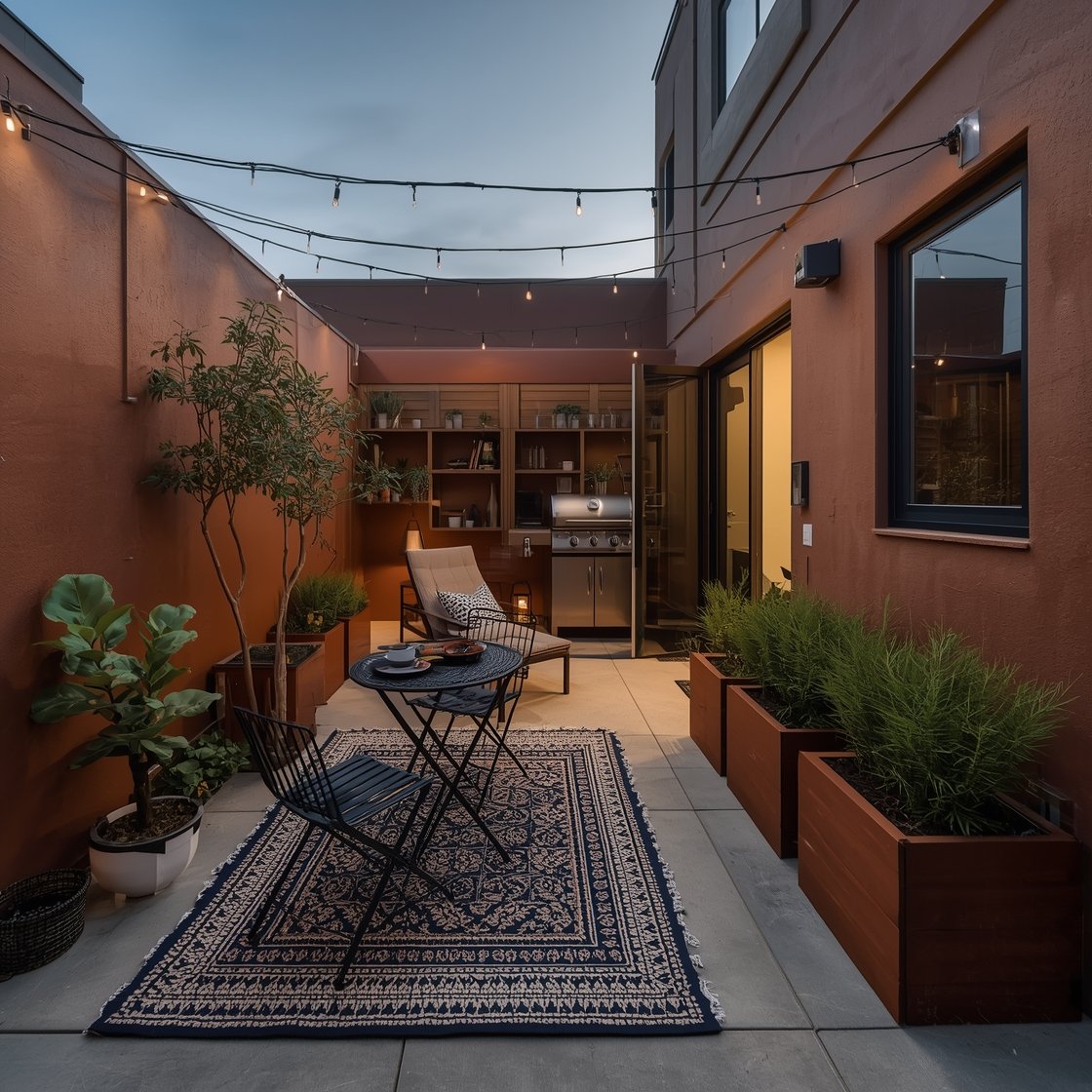
Small spaces feel bigger when they’re divided into zones. Give yourself a dining corner, a lounging corner, and a plant zone—even if each is tiny. It’s like tricking your brain into thinking you have rooms outdoors.
Quick Ways to Define Zones
- Outdoor rug: Use a patterned rug to anchor a bistro set or lounge chair.
- Low planters: Line them as “walls” to separate a grill area from a reading nook.
- Lighting: String lights over one section and lanterns in another to mark boundaries.
Design hack: Keep a cohesive color palette across zones—think terracotta + olive + black—so it feels curated, not chaotic.
3. Choose Furniture That Works Overtime
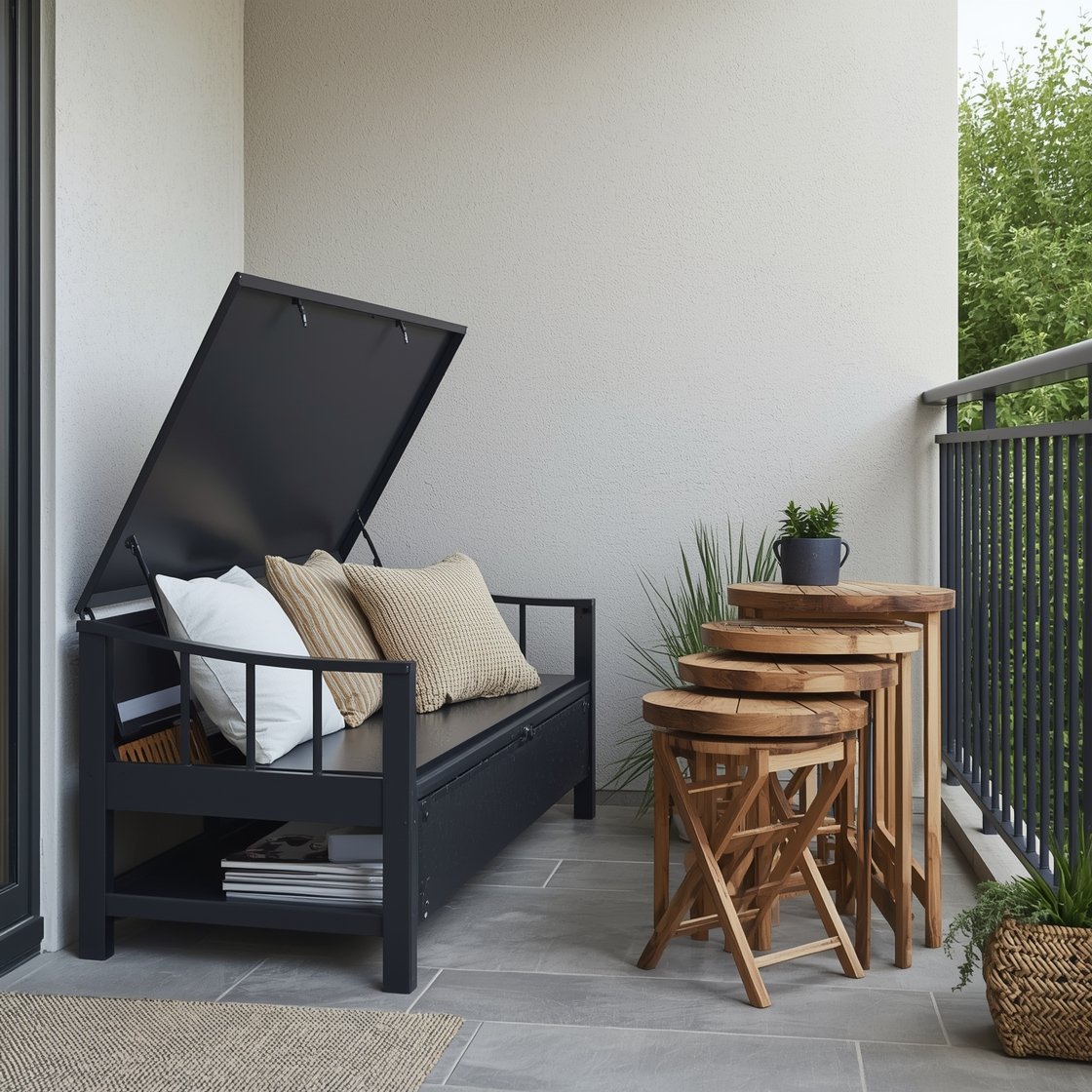
Small gardens are no place for slouchy, oversized furniture. Pick pieces that fold, stack, or stash things out of sight. You want maximum comfort without blocking pathways or views.
Smart Furniture Moves
- Bench with storage: Hides cushions, holds garden tools, and seats people—triple win.
- Foldable bistro set: Pull it out for brunch; tuck it away when you need space.
- Nesting tables: Spread them out for drinks, then stack when not needed.
- Slimline chaise: Choose armless styles to keep lines clean and sightlines open.
Material matters: Powder-coated metal and eucalyptus weather well and look chic. If you love wicker, go for resin versions to avoid the sad, fraying look.
4. Layer Heights for Depth and Drama
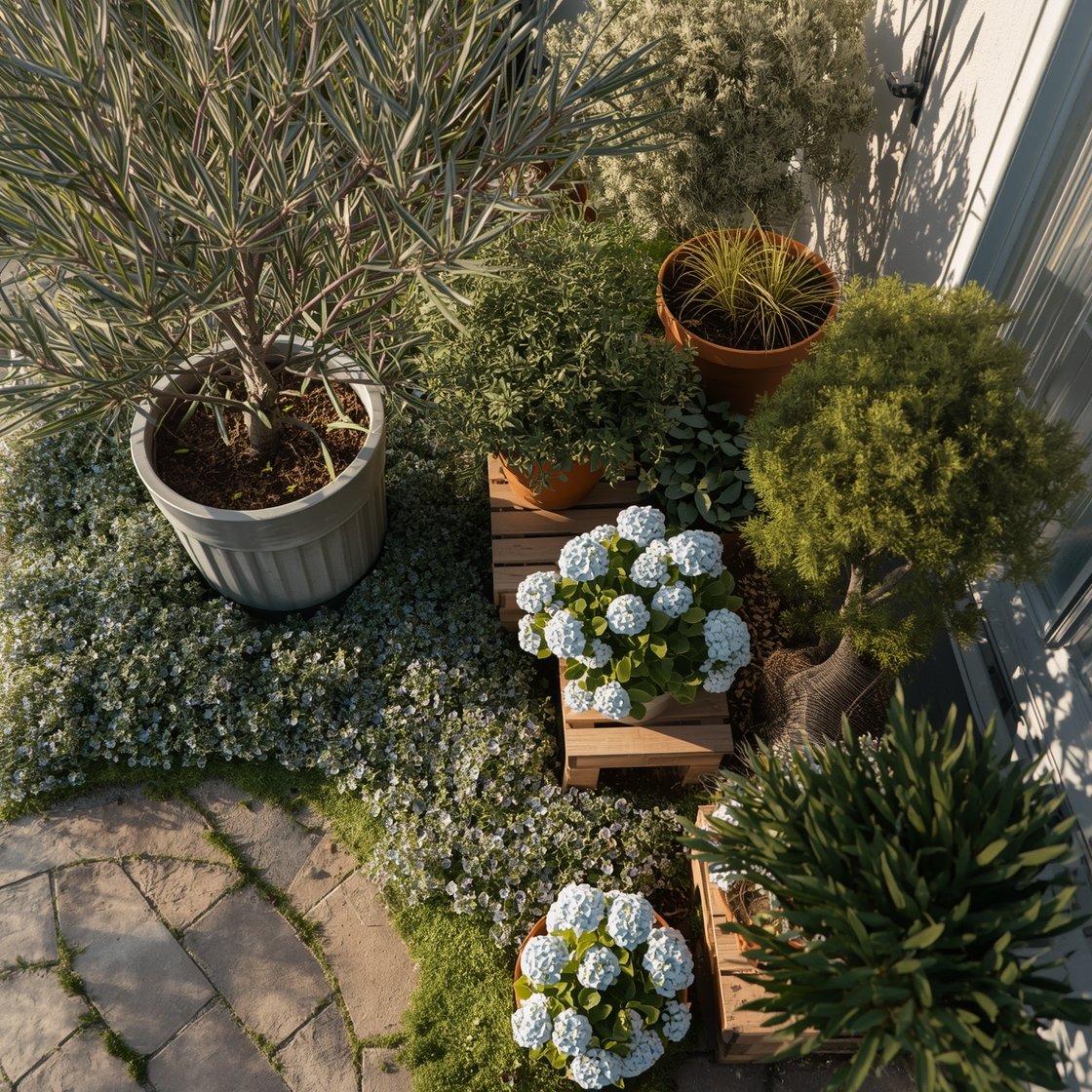
Flat = boring. Play with tiered heights to make your garden feel lush and dimensional. Think canopy, mid-level, and ground cover—like a tiny forest, but make it stylish.
Try This Three-Level Formula
- Tall layer: Small trees in containers (olive, Japanese maple, lemon) or tall grasses.
- Middle layer: Bushy shrubs, hydrangea in pots, or tomato cages if you’re a veggie person.
- Low layer: Creeping thyme, moss, lobelia, or sedum to soften edges and gaps.
Bonus: Elevate some pots on stands or crates. Different heights guide the eye upward and make the space feel intentionally styled—like your garden’s wearing heels.
5. Use Mirrors and Light to Double the Vibes
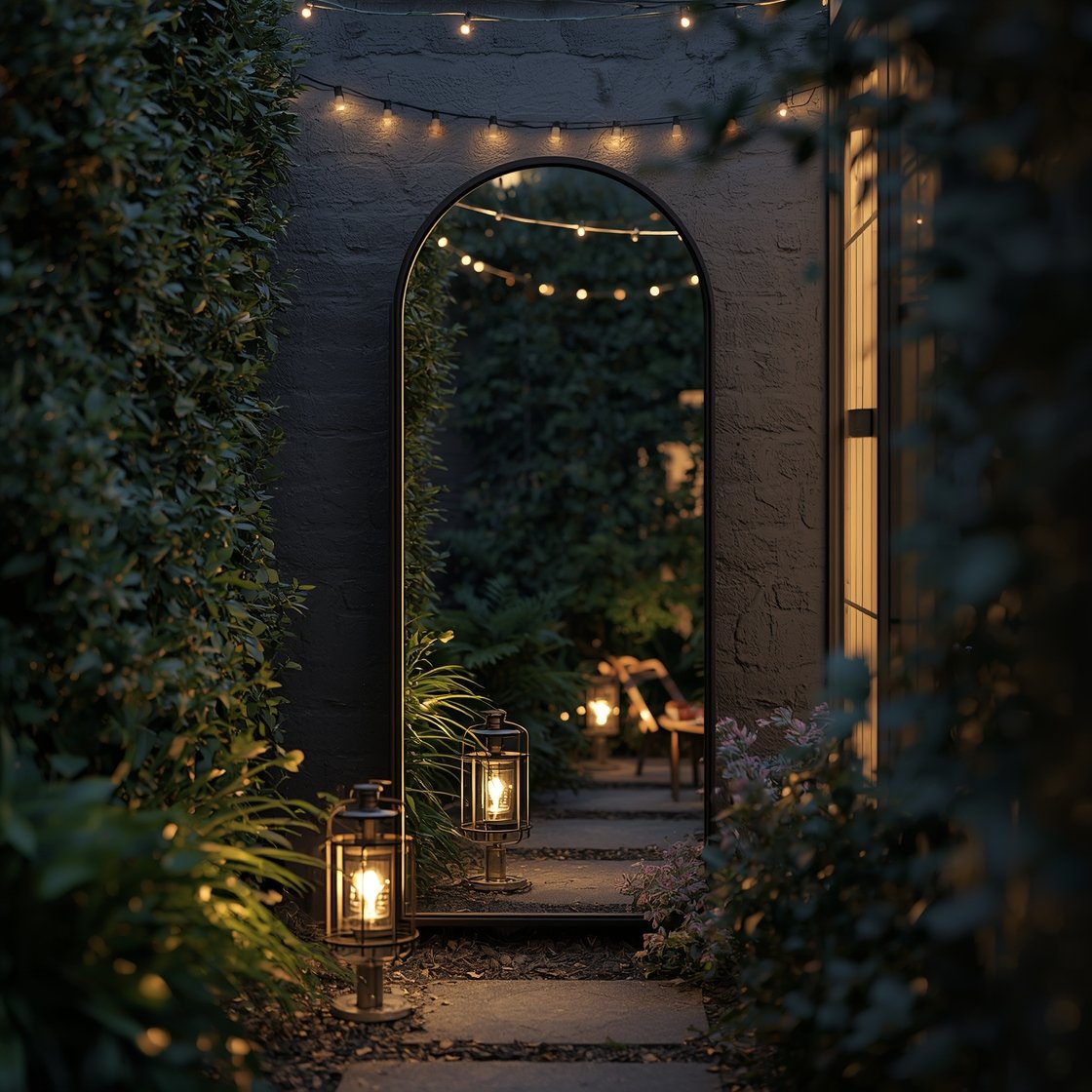
Want your garden to look instantly bigger? Add a mirror. It bounces light, reflects greenery, and makes narrow spaces feel wider. Just be strategic so it looks luxe, not like a gym wall.
Mirror + Lighting Tips
- Arched outdoor mirrors: They read as “garden windows” and add architectural interest.
- Angle matters: Tilt slightly to reflect plants, not your neighbor’s recycling bins.
- Warm LEDs: Soft string lights or low-glow path lights create depth after dark.
- Layered lighting: Mix overhead string lights with solar stake lights and a lantern or two.
IMO, nothing beats the combo of mirrors + fairy lights for cozy evening hangouts. It’s giving secret garden energy.
6. Pick Pots Like a Stylist, Not a Collector
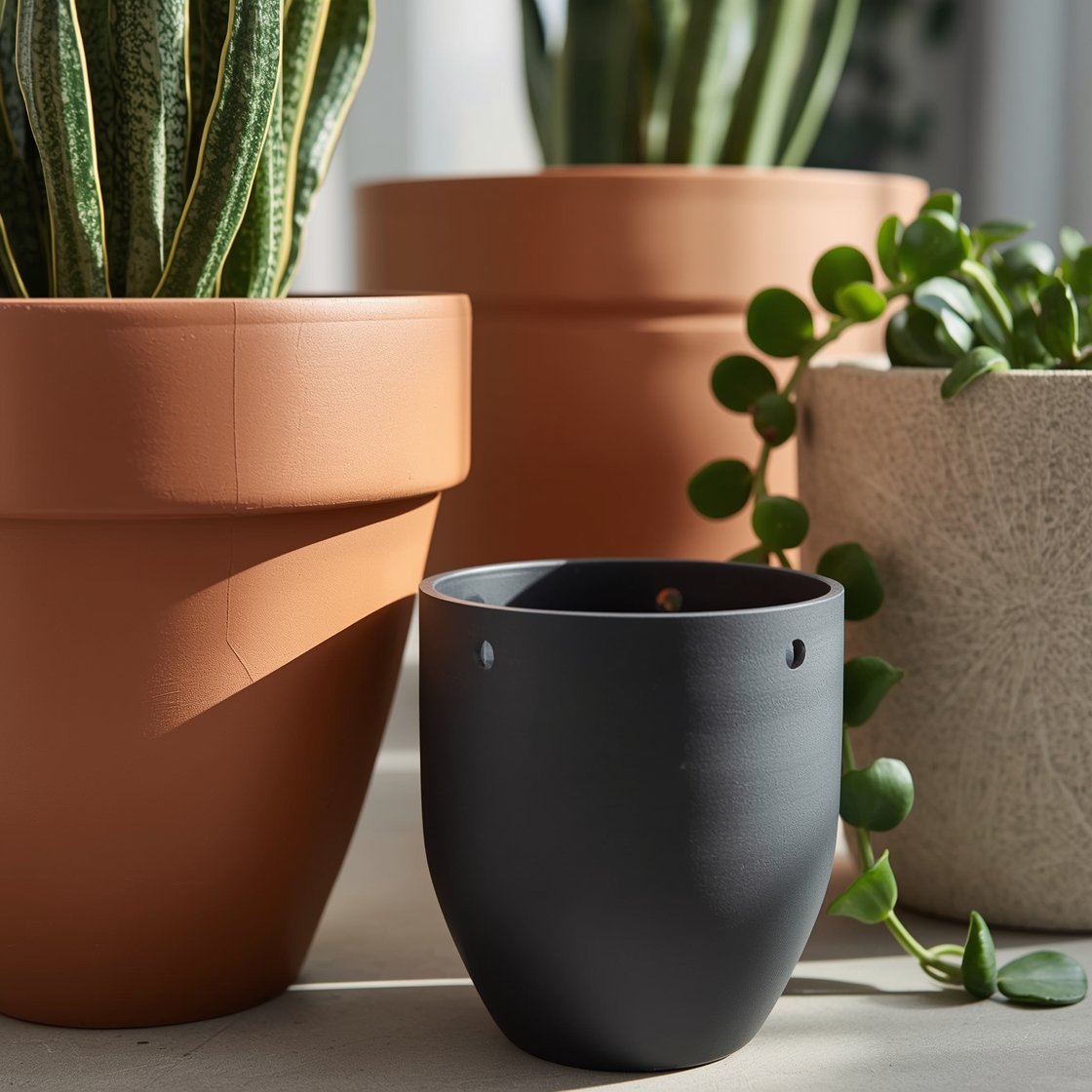
Container gardens are the backbone of small spaces. But mismatched pots can make things look cluttered fast. Choose a tight palette and repeat shapes to create a calm, elevated vibe.
Potting Strategy That Works Every Time
- Color palette: Stick to 2–3 finishes, like terracotta + matte black + stone.
- Rule of three: Group planters in small clusters of three for balance.
- Thriller, filler, spiller: One statement plant, one mid-size, one trailing—chef’s kiss.
- Go big (sometimes): One oversized planter can feel cleaner than five tiny ones.
Practical note: Use lightweight resin or fiberglass if you move pots seasonally. And always add drainage—your plants will actually like you back.
7. Add Personality With Paths, Patterns, and Tiny Luxuries
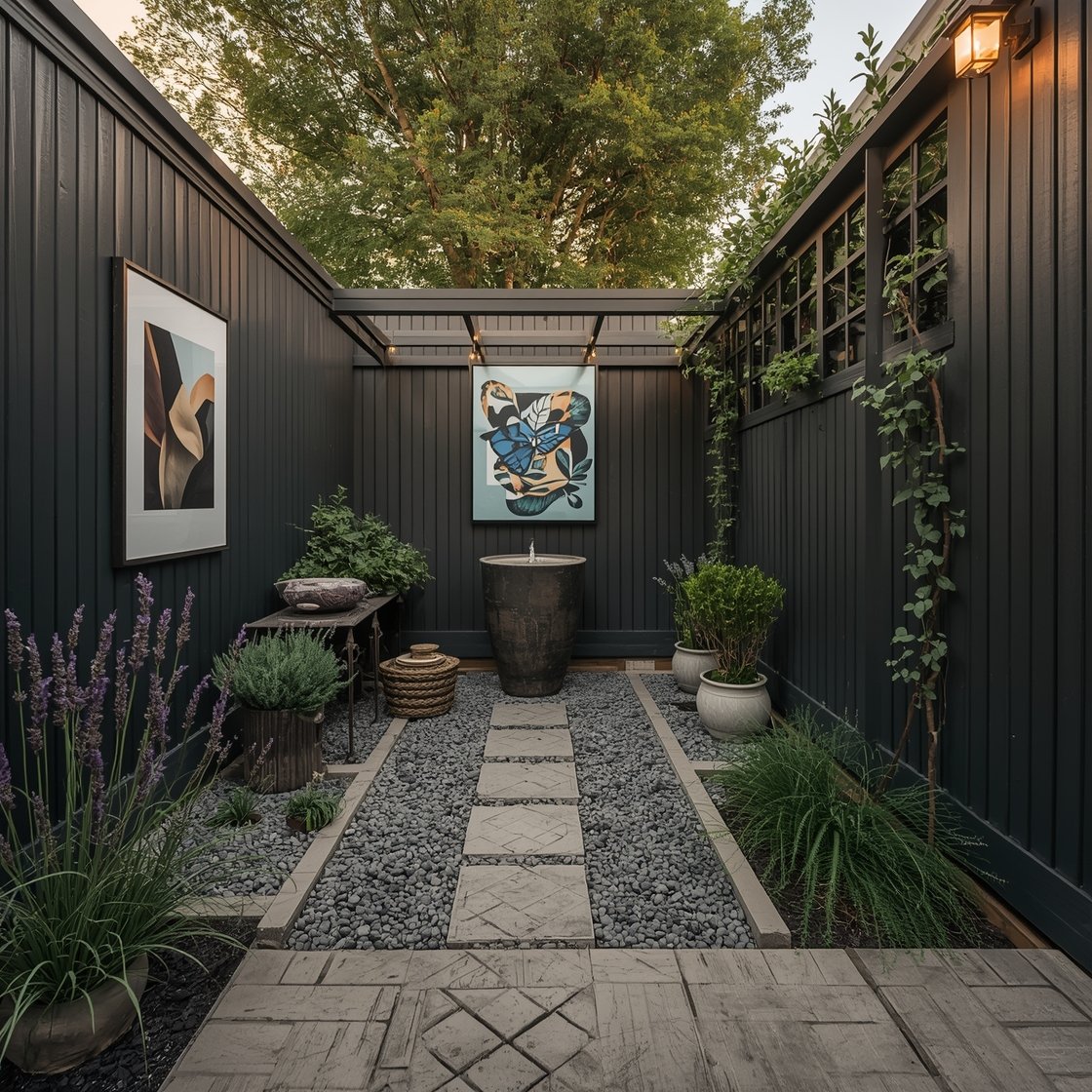
Small gardens deserve big personality. A patterned moment or unexpected detail can transform a simple space into a destination. Think textures underfoot, fragrant corners, and playful decor accents.
High-Impact, Small-Footprint Ideas
- Patterned pavers: Lay pavers in a herringbone or basketweave to add instant style.
- Gravel ribbon: Create a narrow “path” between zones with pea gravel and stepping stones.
- Scent corner: Cluster lavender, mint, and lemon verbena near seating for aromatherapy.
- Water feature: A tabletop fountain adds soothing sound and masks city noise.
- Art + accents: Outdoor-safe prints, a bold birdhouse, or a sculptural trellis = personality.
Color pop: Paint your fence or planter backs a deep green or charcoal to make plants glow. Dark backgrounds recede visually, which makes your garden feel larger—optical illusion for the win.
Maintenance Made Easy
- Choose resilient plants: Sedum, feather reed grass, salvia, and dwarf conifers play nice in containers.
- Mulch: A thin layer in pots keeps moisture steady and cuts down watering.
- Set routines: 10-minute evening tidy: deadhead, water, sweep. Your future self will applaud.
FYI: Even one “luxury” touch—like a cushiony outdoor throw or a chic lantern—makes the whole space feel thought-out.
Putting It All Together
Start with vertical greens, define zones, then layer in furniture and lighting. Add height variations, coordinated pots, and those personality-packed details. Suddenly your small garden isn’t small—it’s curated, cozy, and totally you.
You don’t need acres to have an amazing outdoor moment. With these seven small garden ideas, you’ll turn that little patch into the place everyone wants to hang—mosquitoes not invited.