Follow Me On Social Media!

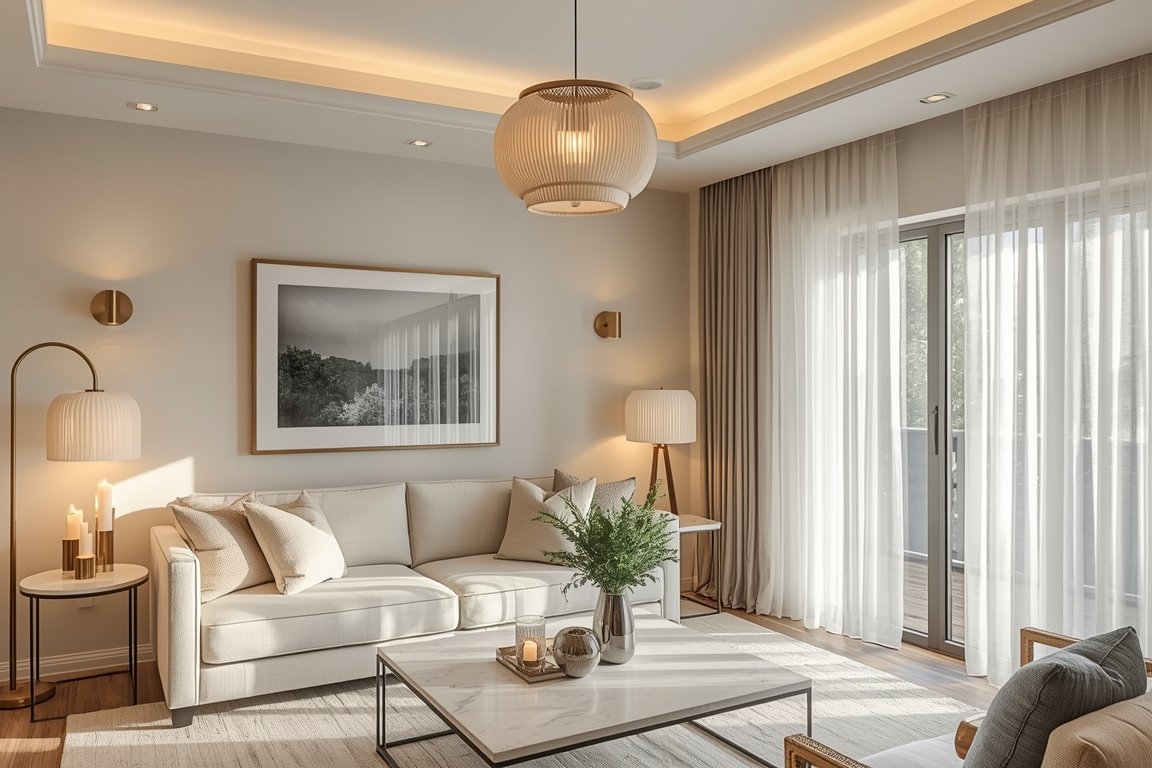
12 Lighting Ideas That Instantly Make Any Room Look Designer

Let’s be honest: the difference between “nice” and “whoa, I live here?” is lighting. You can have the exact same furniture and still get wildly different vibes depending on what you flip on at dusk. The good news? You don’t need a contractor on speed dial to nail it. These 12 lighting ideas are simple, stylish, and guaranteed to make your home feel elevated—without doing math you haven’t done since high school physics.
1. Layer Light Like a Stylist
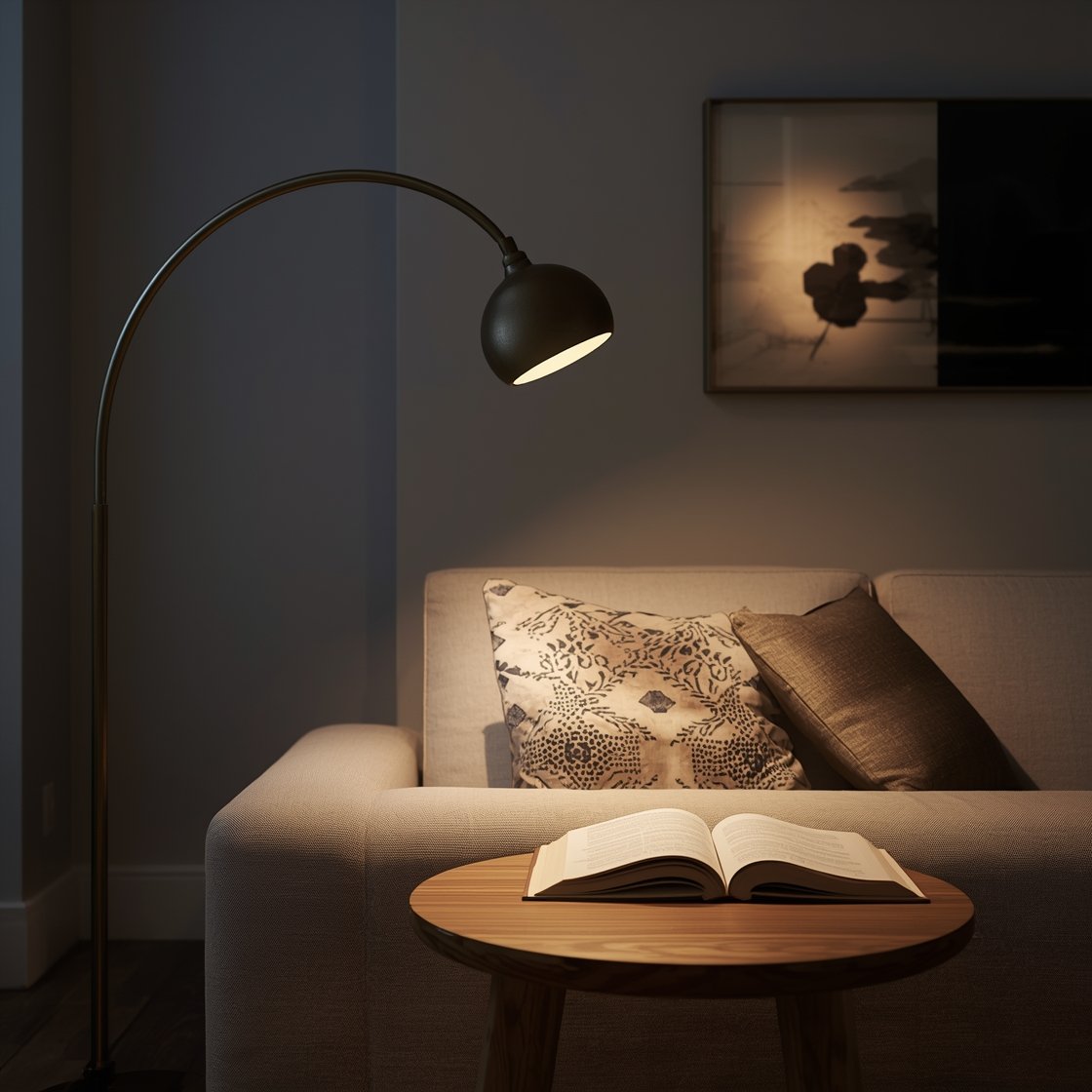
One overhead light is the fastest way to make a room feel flat. The trick is layering: ambient, task, and accent lighting working together like a well-dressed trio.
Start with a soft base glow, add a focused lamp for reading or cooking, and finish with something moody in a corner. Instant magazine vibes.
Try This
- Ambient: Ceiling fixtures, large floor lamps, or cove lighting for overall glow.
- Task: Desk lamps, under-cabinet strips, bedside swing-arms for focused work.
- Accent: Picture lights, wall washers, or tiny spotlights to highlight art.
2. Swap In Warm-Dim Bulbs (Yes, It Matters)
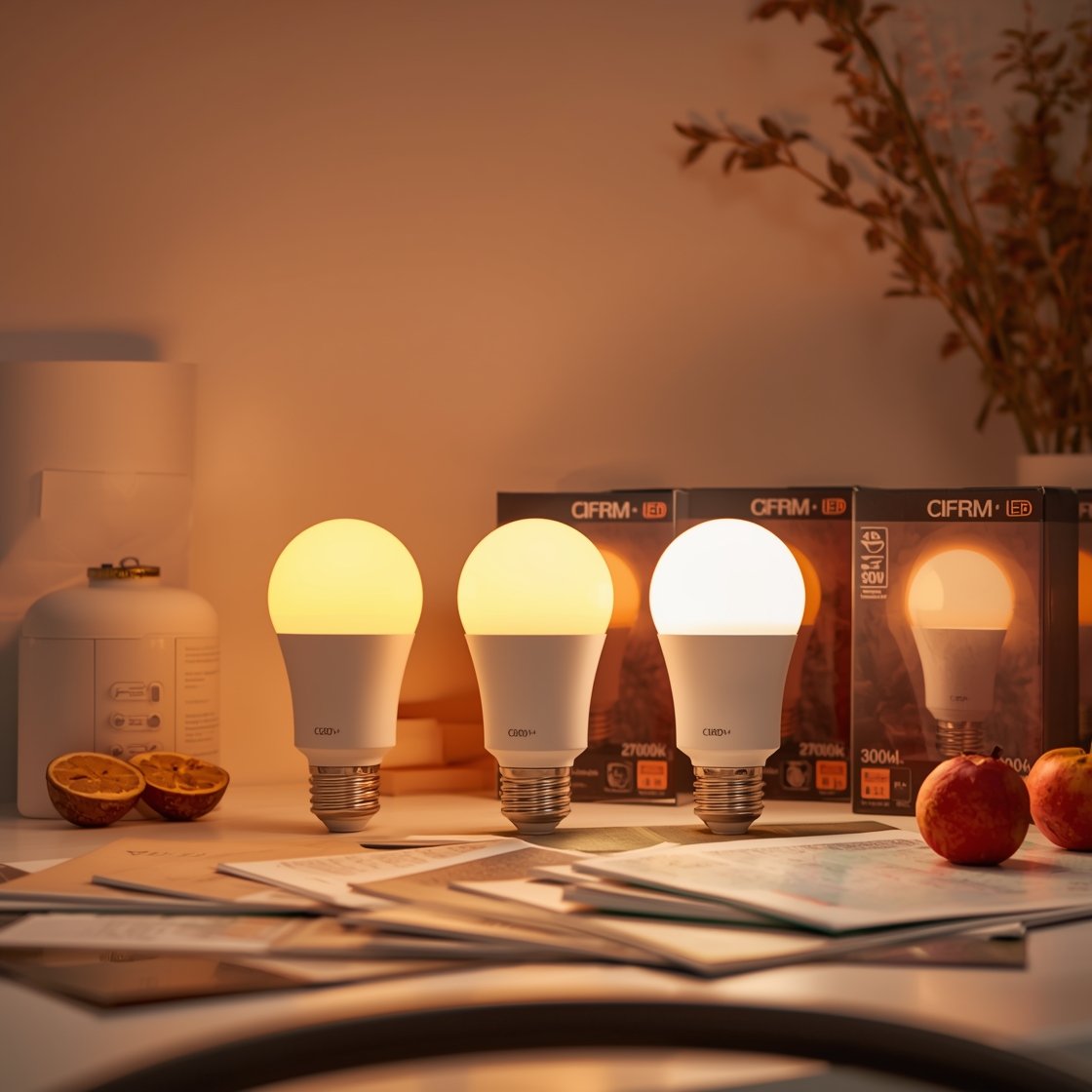
Color temperature is the unsung hero of cozy. Go too cool and your living room looks like a surgical suite; too warm and it’s campfire chic at noon.
For most rooms, a sweet spot is 2700K to 3000K. In kitchens and offices, 3000K–3500K keeps things crisp without feeling cold. And dimmable bulbs? Non-negotiable.
Pro Tips
- 2700K: Bedrooms, living rooms, dining rooms for evening glow.
- 3000–3500K: Kitchens and bathrooms for clarity without glare.
- Check CRI 90+ so colors look accurate, not sad.
3. Make a Statement With an Oversized Fixture
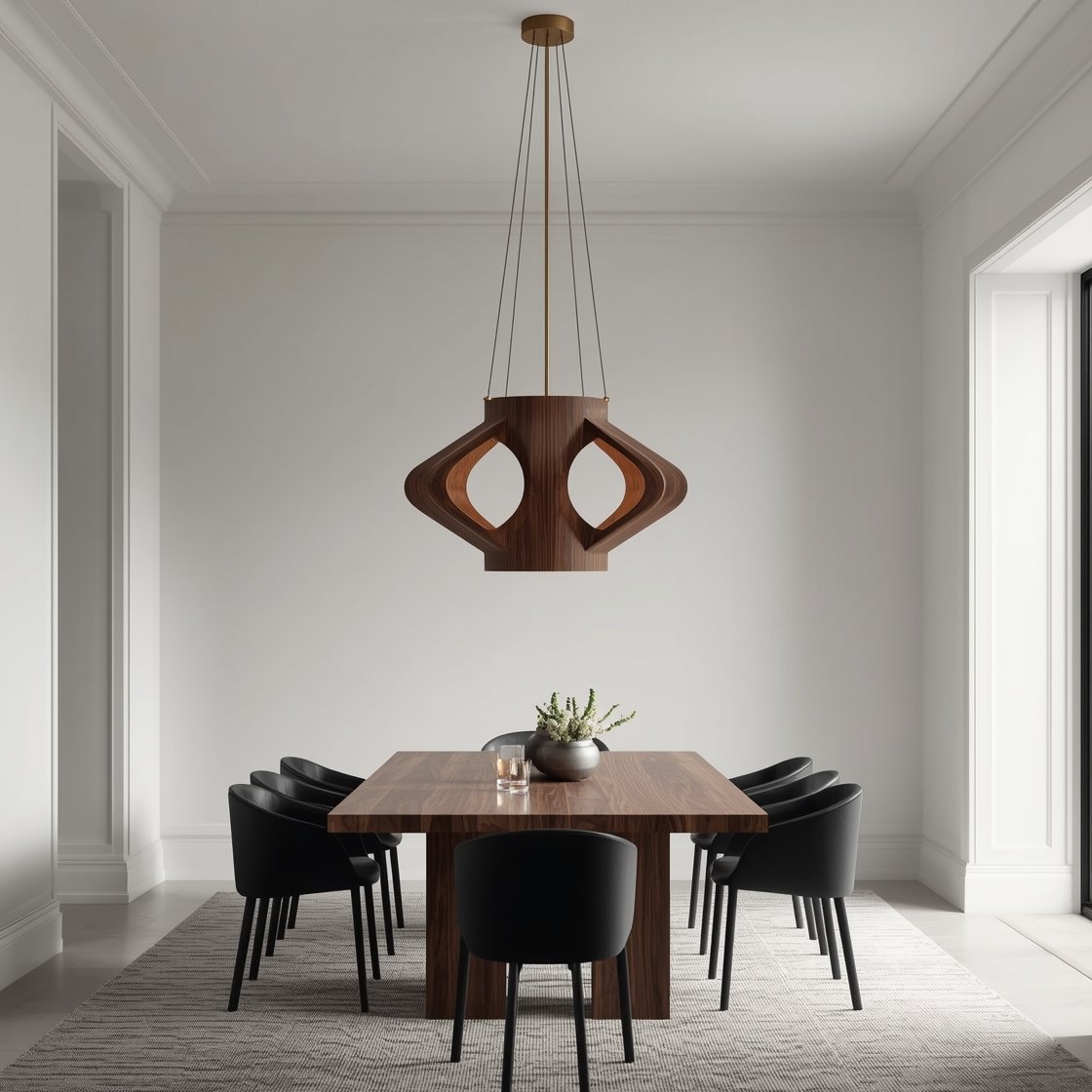
Your ceiling deserves a moment. An oversized chandelier or sculptural pendant instantly elevates a room—even a tiny one. It’s like jewelry for your home.
Scale matters: too small looks timid; too big looks intentional (and fabulous).
Sizing Cheatsheet
- Dining table: Fixture should be ~1/2 to 2/3 the table width.
- Living room: Add room length + width (in feet) to get diameter (in inches).
- Hang pendants 30–34 inches above a dining table; 12–20 inches below a 9-foot ceiling elsewhere.
4. Add Sconces for Luxe Hotel Energy
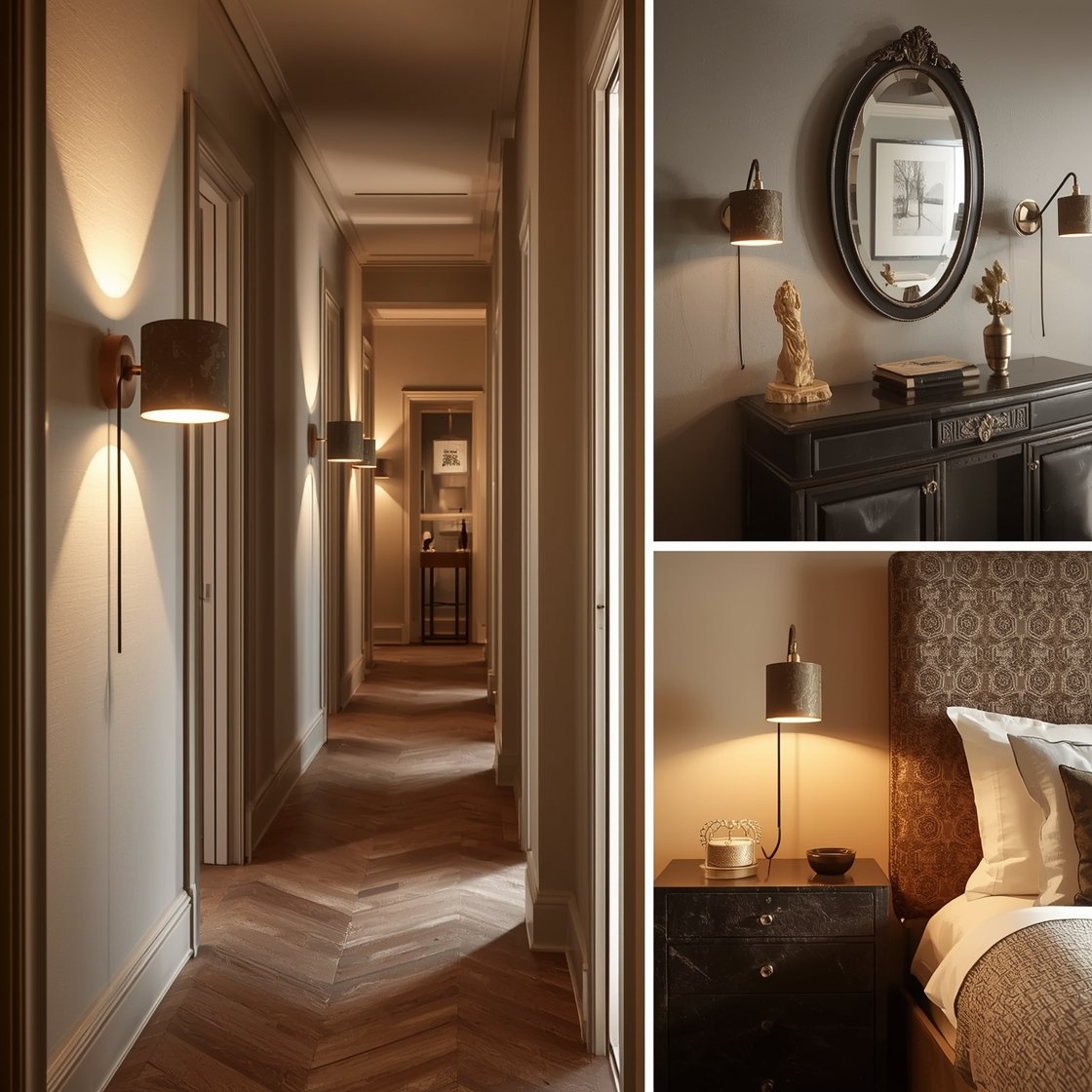
Sconces bring instant polish and free up table space. Put them flanking a mirror, a headboard, or a console. Suddenly your hallway looks intentional, not “just a hallway.”
Hardwired or plug-in, both are fair game. Plug-ins with fabric cords are a renter’s dream.
Where to Use
- Bedroom: Swing-arm sconces for reading—center around 55–60 inches from the floor.
- Bath: One sconce on each side of the mirror at eye level for no-shadow makeup.
- Hallways: Every 6–8 feet for soft, art-gallery glow.
5. Glow Up Your Cabinets and Shelves
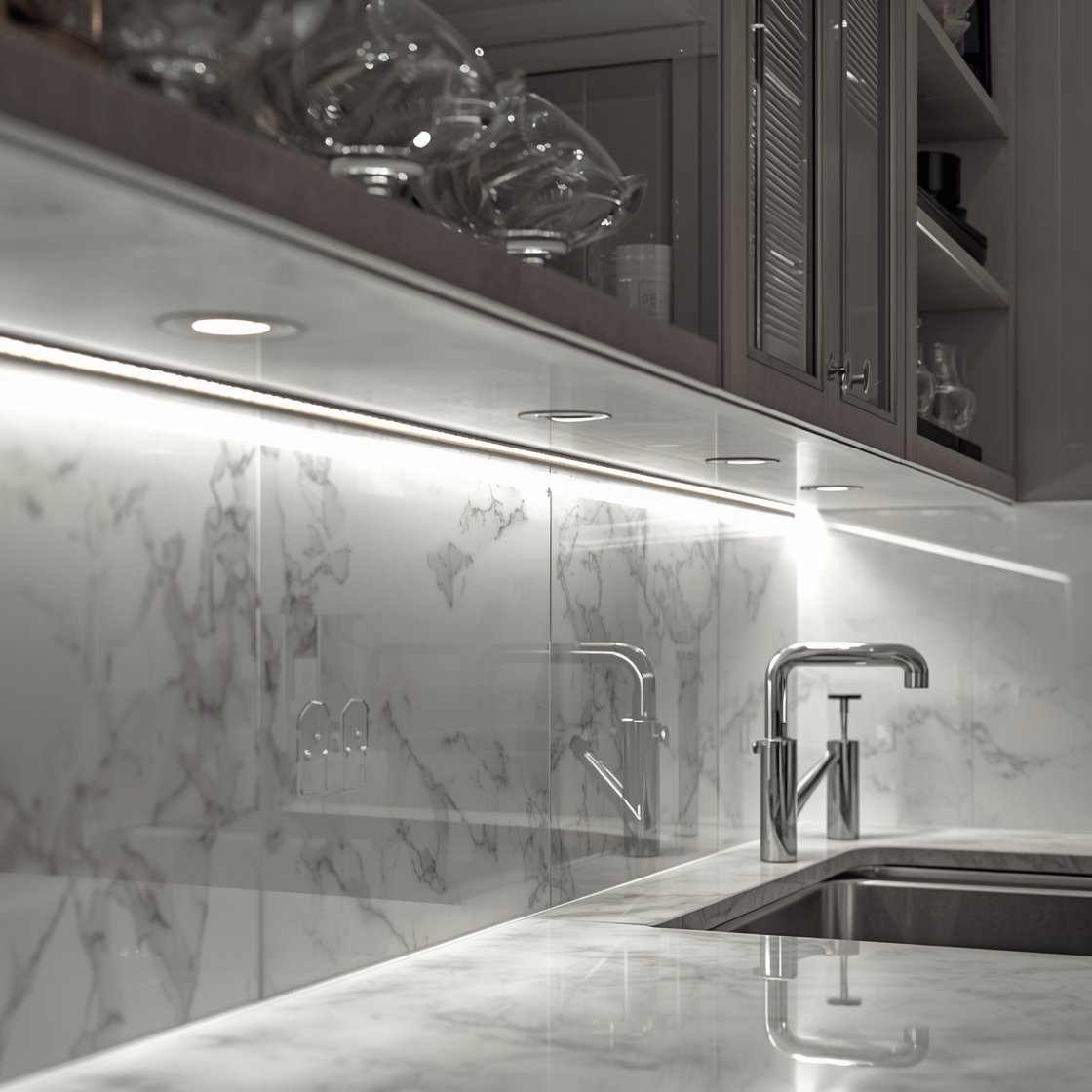
Under-cabinet and shelf lighting turns everyday stuff into styled moments. It’s part function (chopping onions without tears) and part flex (your glassware, but make it sparkle).
LED strips are affordable, easy to install, and make kitchens feel custom. Same goes for bookcases and display nooks.
Quick How-To
- Choose continuous LED strips to avoid dotting on glossy surfaces.
- Hide wires with raceways or adhesive cable clips—nobody wants cord spaghetti.
- Match color temp to the room’s main fixtures so everything feels cohesive.
6. Use Lampshades to Set the Mood
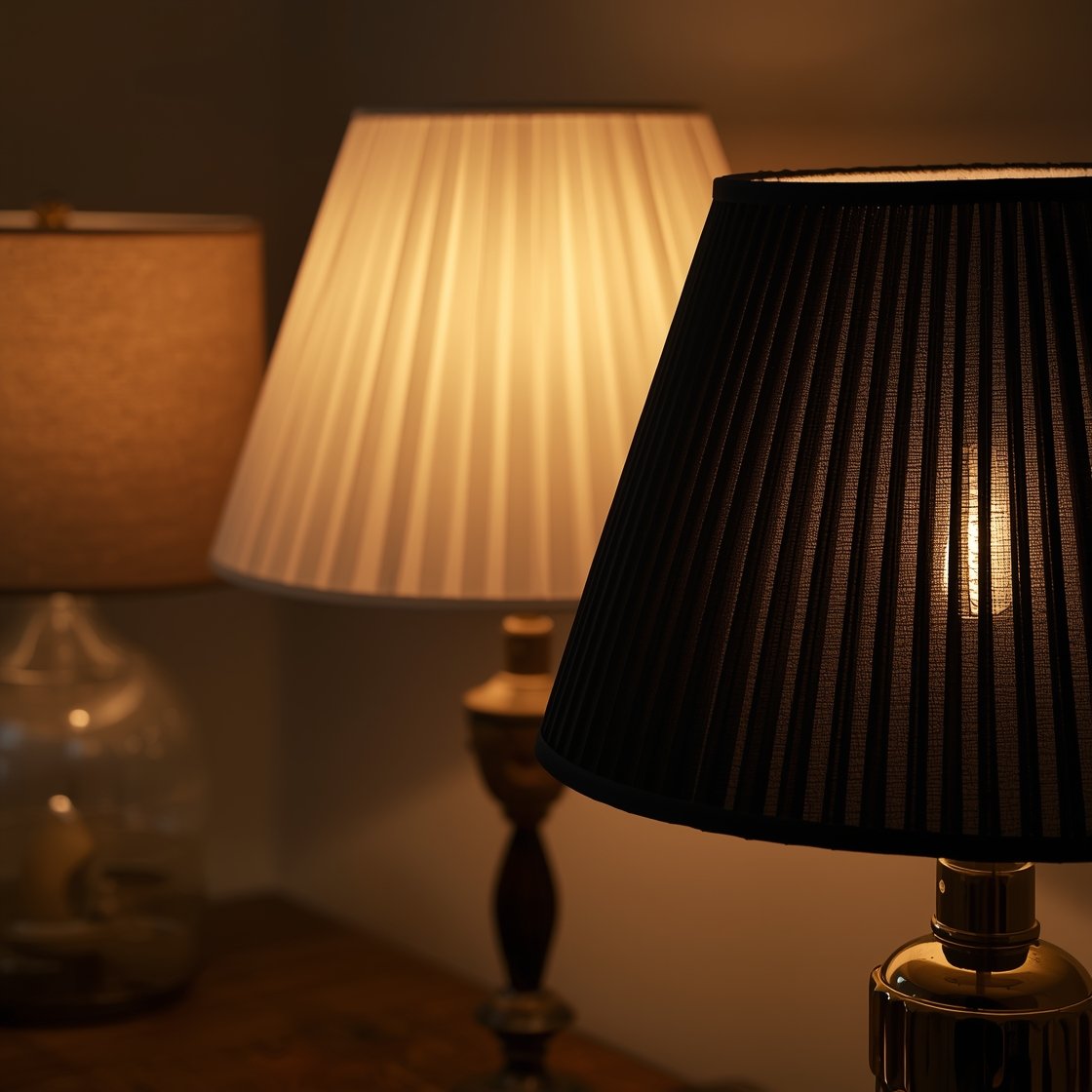
Change the shade, change the vibe. Linen softens light; paper diffuses evenly; colored or pleated shades add personality and throw the prettiest glow.
Don’t overlook bulb shape. Globes read modern; vintage-style filaments add warmth—even when off.
Shade Smarts
- Drum shades: Clean and contemporary.
- Empire shades: Classic, flattering downward light.
- Opaque or black shades: Dramatic pools of light—great for atmospherics.
7. Dimmer Switches: The Easiest Fancy Upgrade
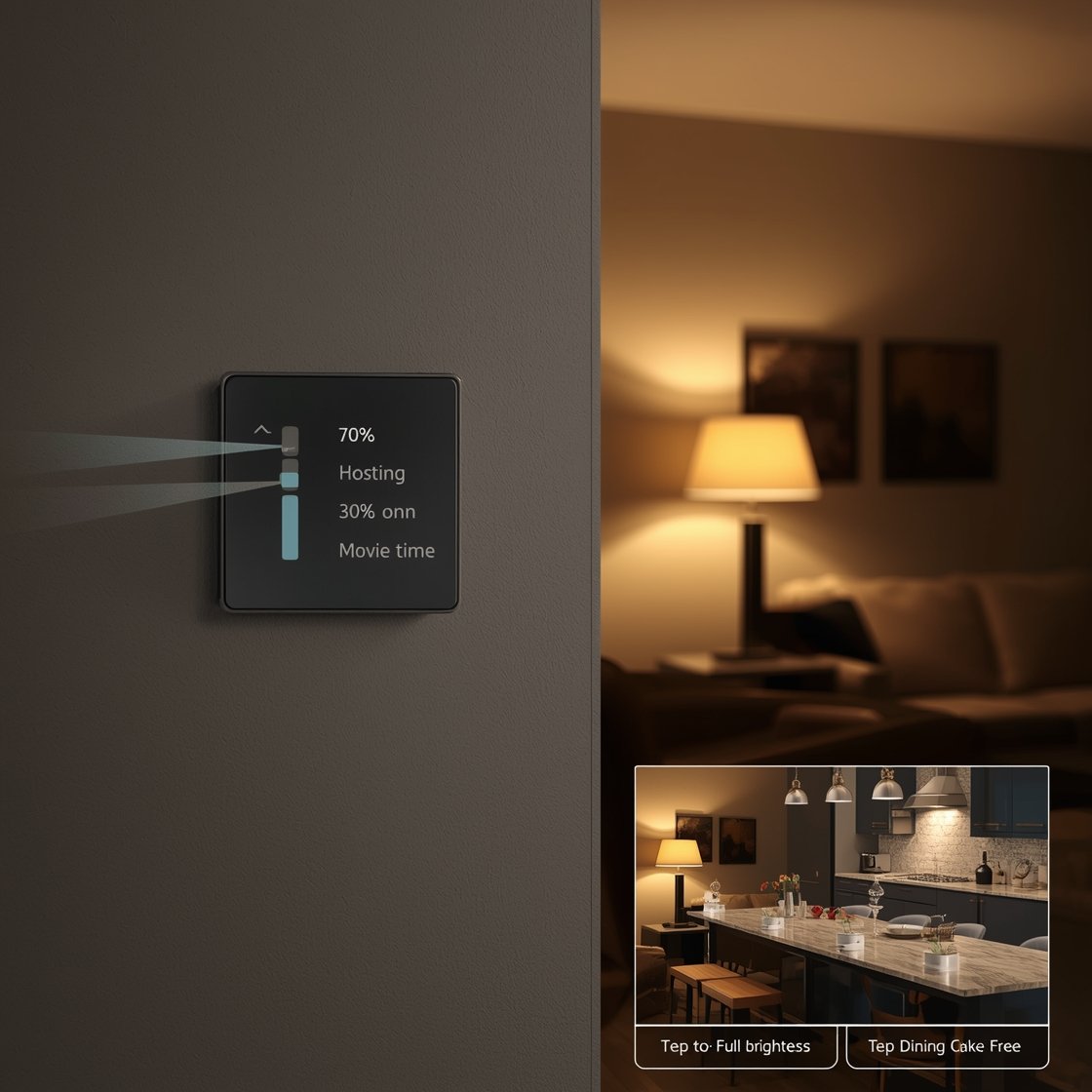
Lighting without dimmers is like music without volume control. You’re either blasting or whispering. Install dimmers and watch your room flex from “work mode” to “wine night” in one slide.
FYI, dimmer compatibility matters—pair dimmable LEDs with the right switches to avoid flicker.
Set the Scene
- Kitchen: Full on for prep, 40–60% for dinner, 20% for late-night snacking.
- Living room: 70% for hosting, 30% for movies, 10% for cozy evenings.
- Use smart dimmers to create schedules and presets.
8. Create Drama With Directional Light
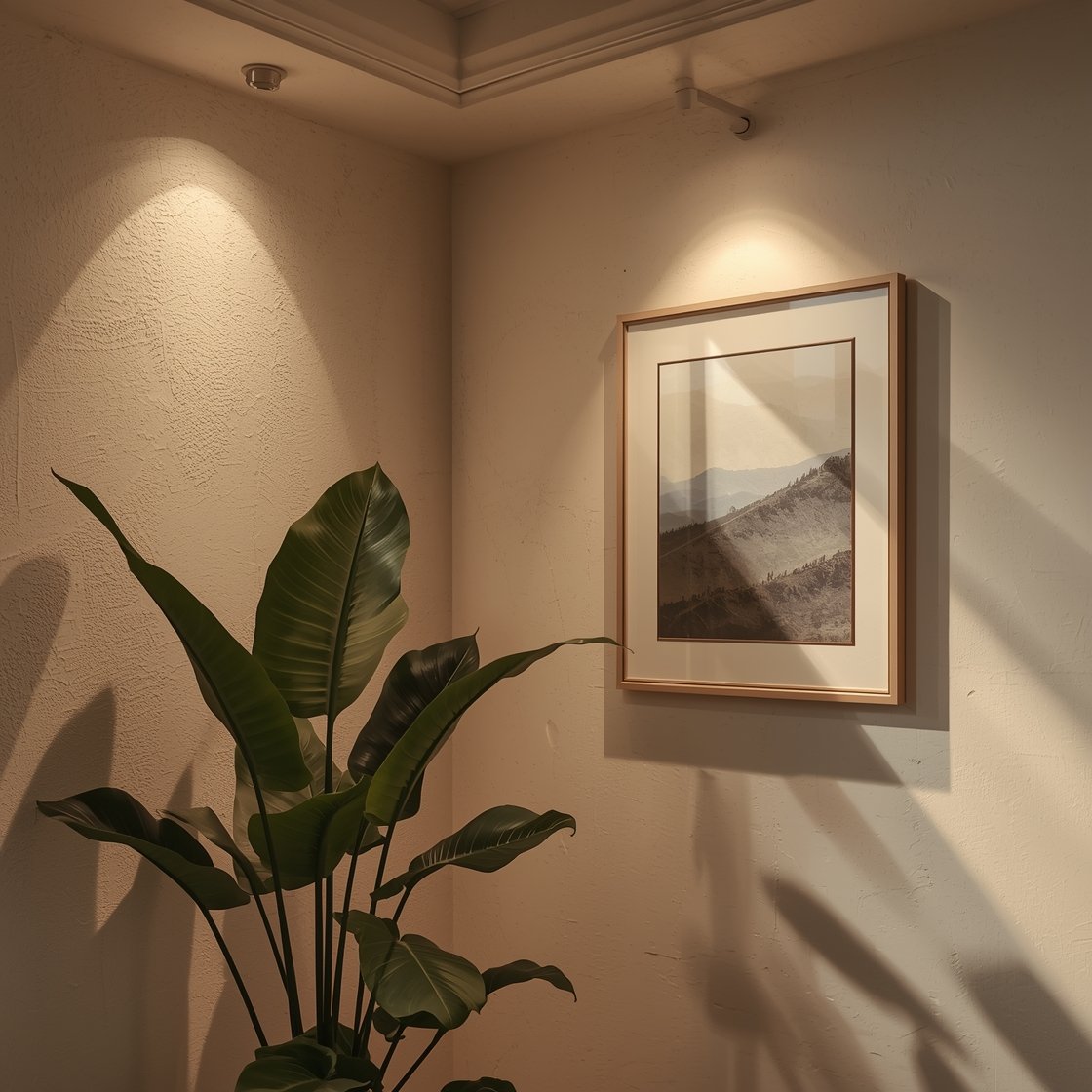
Want architectural mood without major reno? Aim light at surfaces. Up-lights and wall washers add depth, highlight textures, and make ceilings feel taller.
It’s subtle but powerful—think spa, not stadium.
Ideas to Try
- Floor can uplights behind plants for dreamy leaf shadows.
- Picture lights above art for gallery vibes.
- Wall washers to smooth out walls and emphasize texture like brick or plaster.
9. Mix Materials for Richer Glow
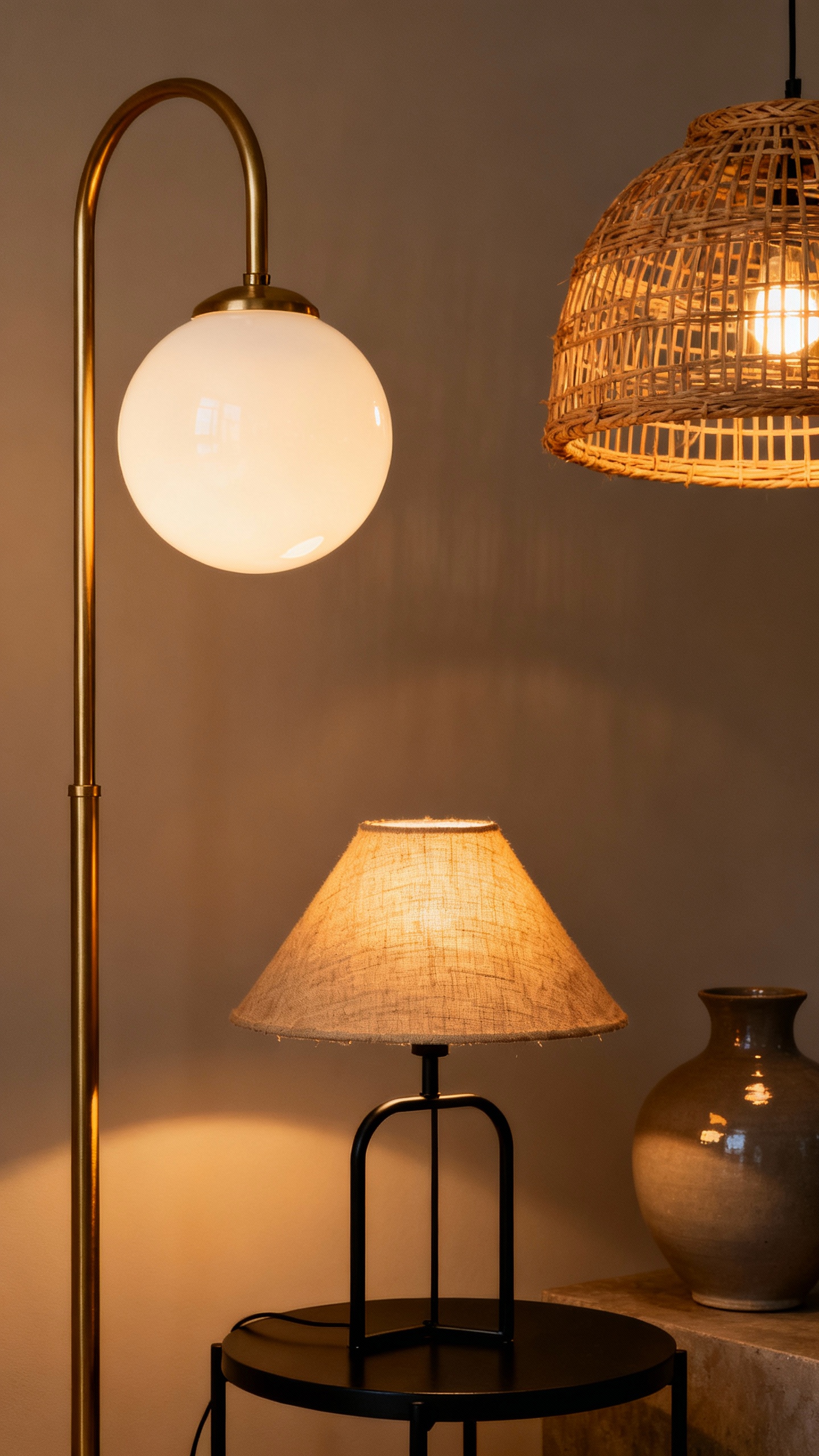
Metal, glass, ceramic, rattan—each material bounces light differently. Mix them and your room feels layered, not matchy-matchy.
A glass globe pendant with a brass floor lamp and a woven shade? Chef’s kiss. It’s texture and temperature, working together.
Material Combos
- Brass + Opal Glass: Warm, timeless, softly diffused light.
- Black Metal + Linen: Modern meets cozy.
- Rattan + Matte Ceramic: Natural and earthy with beautiful shadow play.
10. Get Smart With Scenes and Sensors
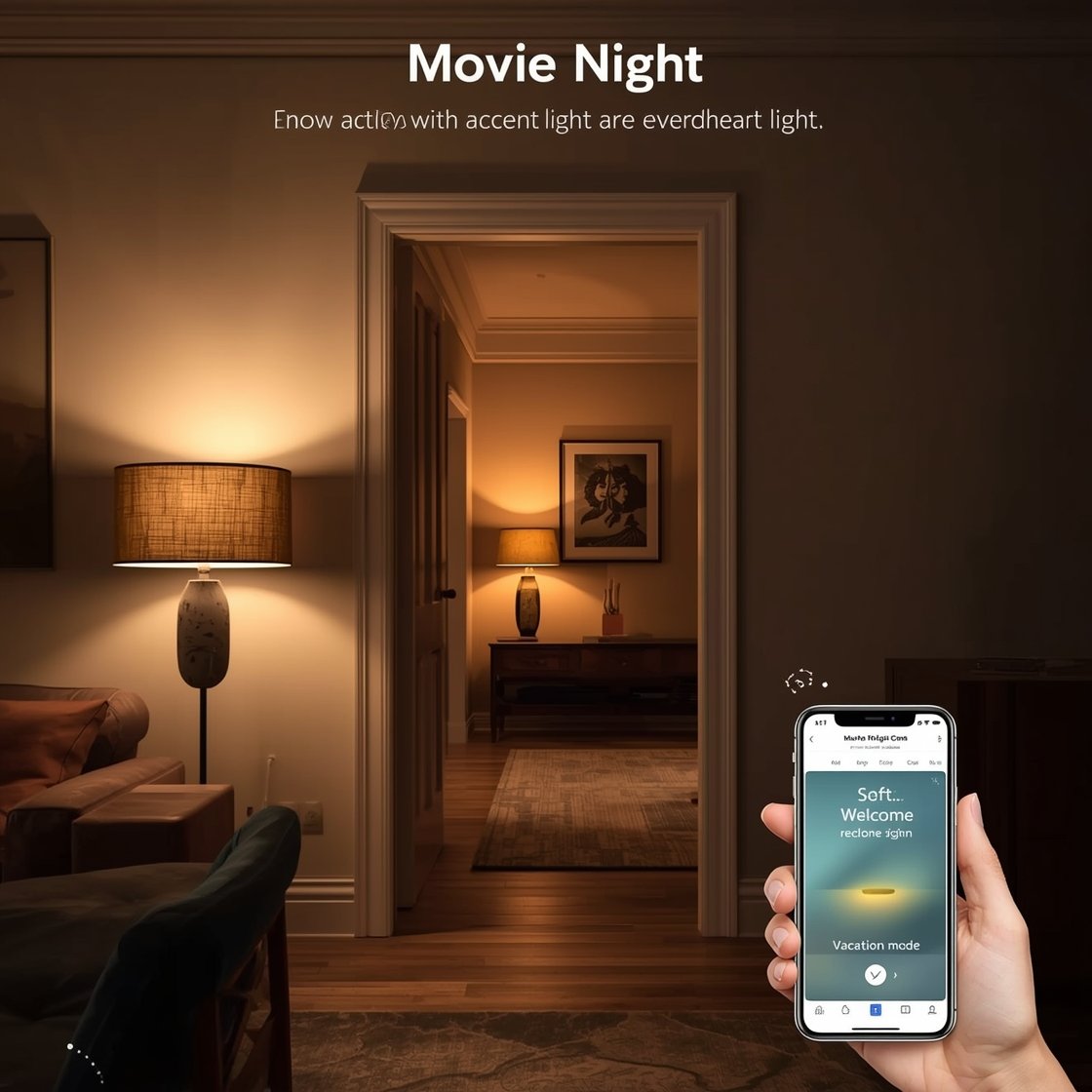
Smart lighting is the lazy-friendly luxury we all deserve. Set scenes, schedule sunrise wake-ups, or use motion sensors so you’re never blindly groping for a switch with arms full of laundry.
IMO, start small: smart bulbs or plugs, then graduate to switches for a more seamless look.
Simple Setups
- Entryway sensor: Lights pop on when you walk in, hands-free.
- “Movie Night” scene: Lamps at 30%, accent lights on, overhead off.
- Vacation mode: Randomize lights for lived-in vibes while you’re away.
11. Use Pendants to Define Zones
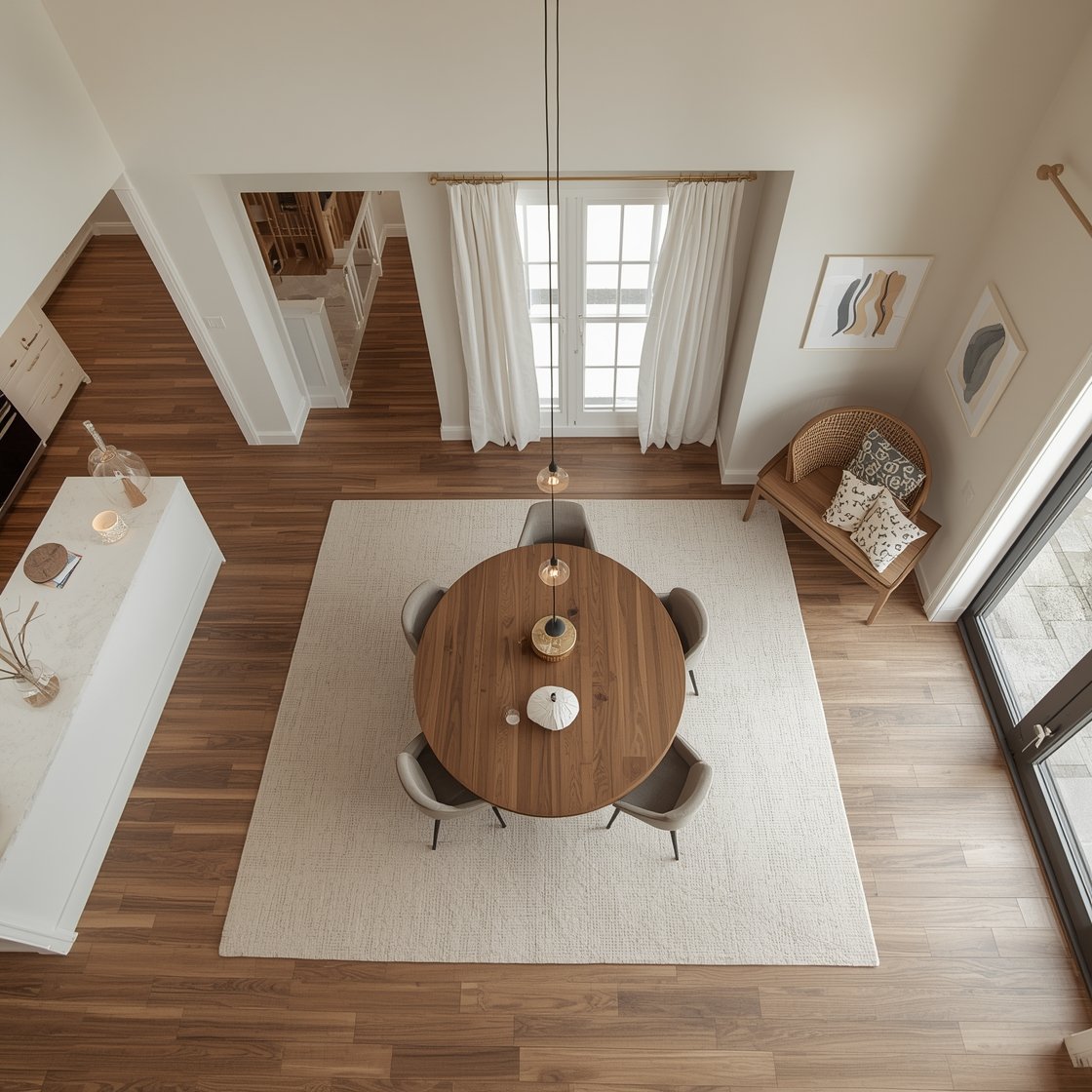
Open-plan spaces need boundaries, not walls. Pendants group activity areas—over the island, dining table, even a reading nook.
Repeat shapes or finishes to keep things cohesive, but tweak scale so it doesn’t look copy-paste.
Hanging Guidelines
- Kitchen island: 2–3 pendants spaced evenly; 30–34 inches above the counter.
- Round table: One centered pendant; choose a diameter about 1/2 the table width.
- Mix heights: Staggered pendants look artful in corners or stairwells.
12. Don’t Forget Outdoor and Transitional Glow
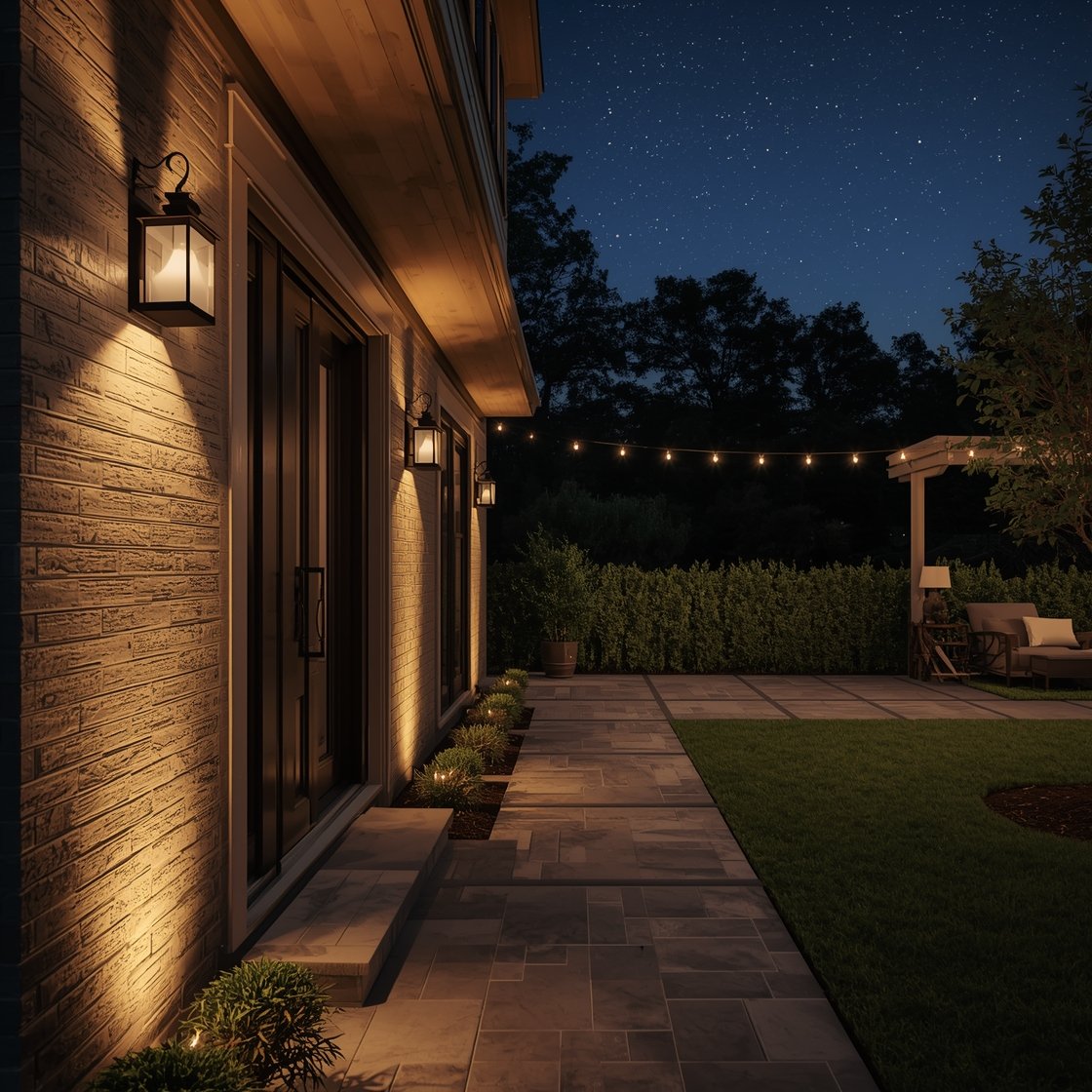
Your lighting story shouldn’t stop at the door. Layered outdoor lighting makes patios feel like living rooms and entries feel welcoming (and safer, bonus).
Use warm tones to keep it cozy and keep glare low so you can actually see the stars.
Outside Wins
- Path lights for safety—aim light down, not in your neighbor’s eyes.
- String lights overhead for instant party energy.
- Lantern sconces at the door, matching the home’s style and finish.
Bonus Mini Guide: Quick Fixes That Change Everything
- Replace those blue-white bulbs—warm them up to 2700K and thank me later.
- Swap builder-grade flush mounts for a semi-flush drum. Easy upgrade, big impact.
- Cluttered cords? Use cable sleeves and adhesive clips for clean lines.
Common Mistakes to Avoid
- One light source only: It flattens everything. Layer, layer, layer.
- Mismatched color temps: Keep bulbs in the same room within 300K.
- No dimmers: You’re stuck at one mood all day. Add control.
- Glare city: Use diffusers, shades, and lower-wattage bulbs where needed.
You don’t need a lighting degree to pull this off—just a few smart moves and attention to warmth, layers, and placement. Start with one room, play with dimmers, and add personality with a statement piece or two. Your space will go from “fine” to “who invited an interior designer?” fast.