Follow Me On Social Media!

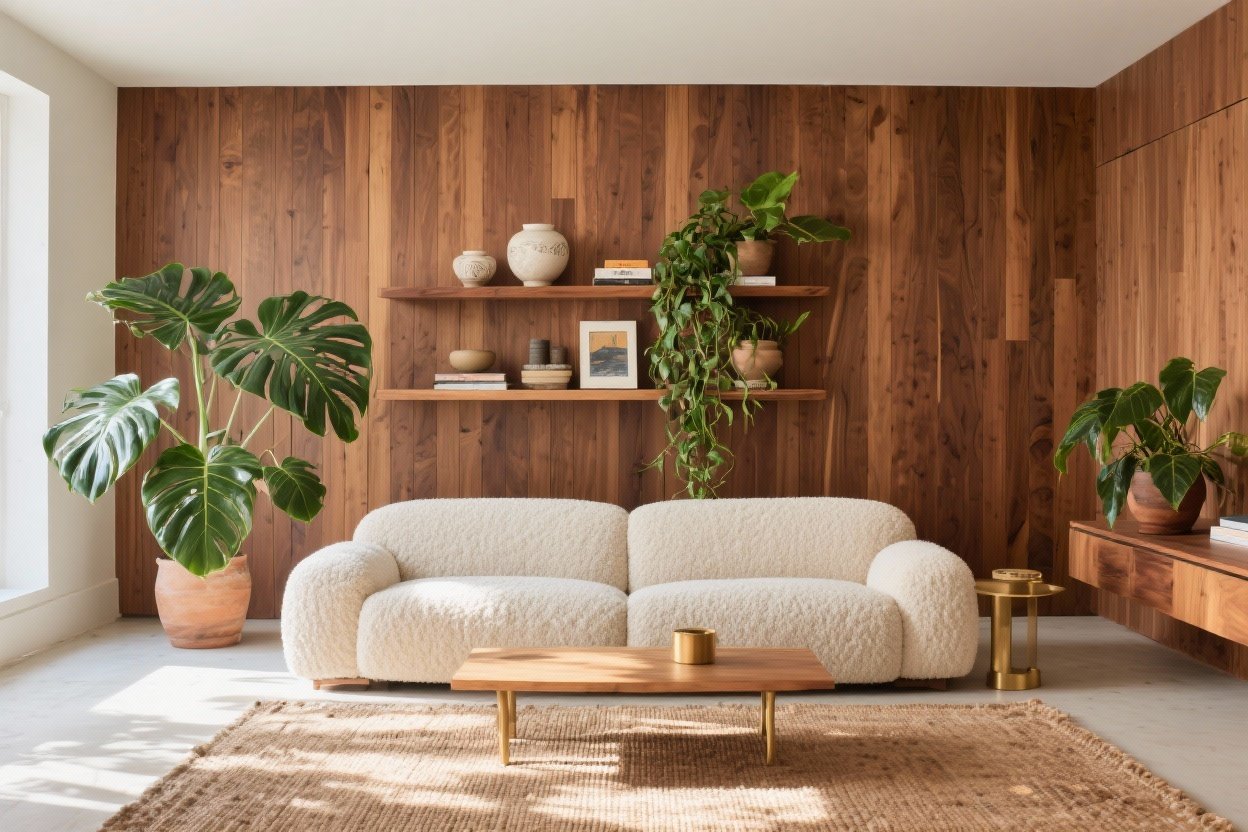
Create Stunning Living Room Plants and Wooden Panel Walls With Floating Shelves That Wow

You don’t need a full gut renovation to make your living room look designer-level. With wooden panel walls, a few well-placed floating shelves, and some strategically chosen indoor plants, you can transform your space from “meh” to “magazine cover.” Ready to make your living room so good your friends will casually ask, “Sooo, who’s your decorator?” Let’s get into it.
1. Choose Your Wood Panel Mood
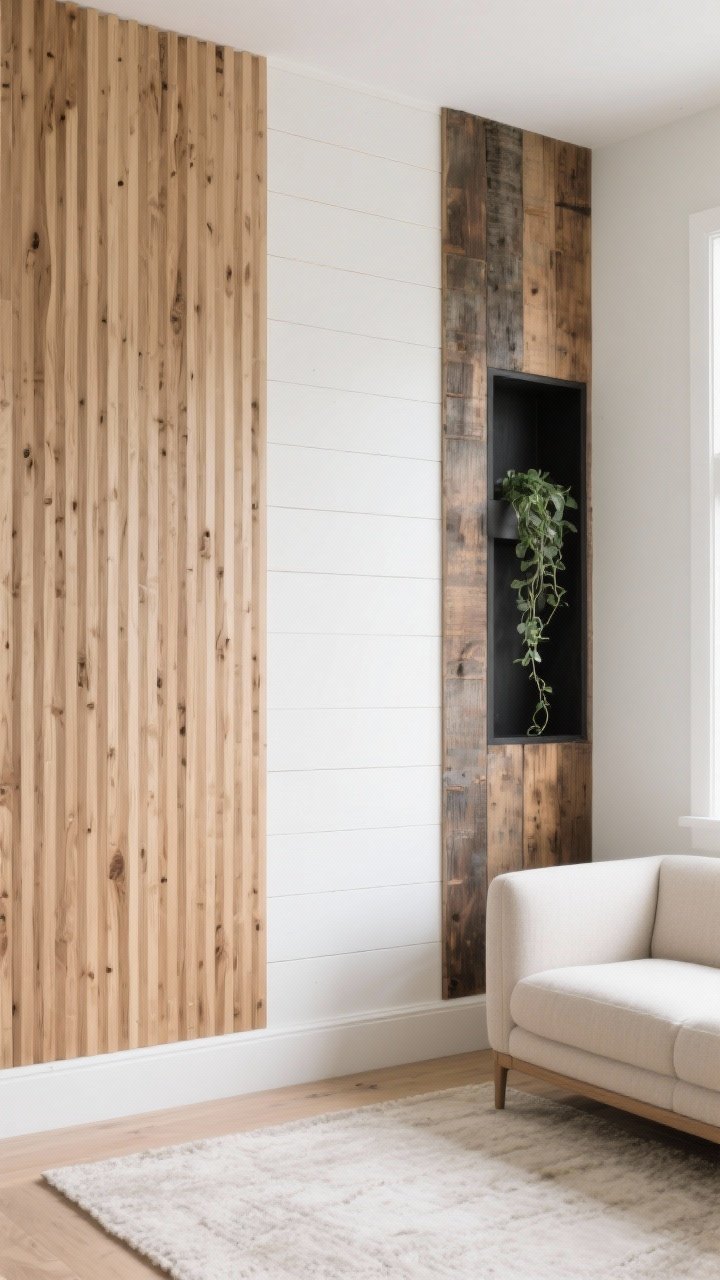
Wood instantly adds warmth and texture, but the style and finish change the vibe big time. Think of your paneling like picking the perfect leather jacket: it sets the tone for everything else.
Popular Panel Styles
- Vertical slat panels: Clean, modern, and great for making low ceilings feel taller.
- Shiplap: Classic, coastal, and cozy without trying too hard.
- Board-and-batten: Structured and elevated—perfect for transitional spaces.
- Reclaimed wood: Rustic, rich, and full of character (and stories).
Finish It Right
- Light oak or whitewashed: Airy, Scandi-friendly, and plant-loving.
- Walnut or espresso: Moody and luxe—great if your sofa and rug are lighter.
- Matte black stain: Bold gallery vibe. Plants will pop like art.
FYI: If your room is small, go lighter and vertical to stretch the space. Dark can be stunning, but balance it with light textiles and lots of greenery so it doesn’t turn cave-chic.
2. Plan Your Floating Shelf Zones
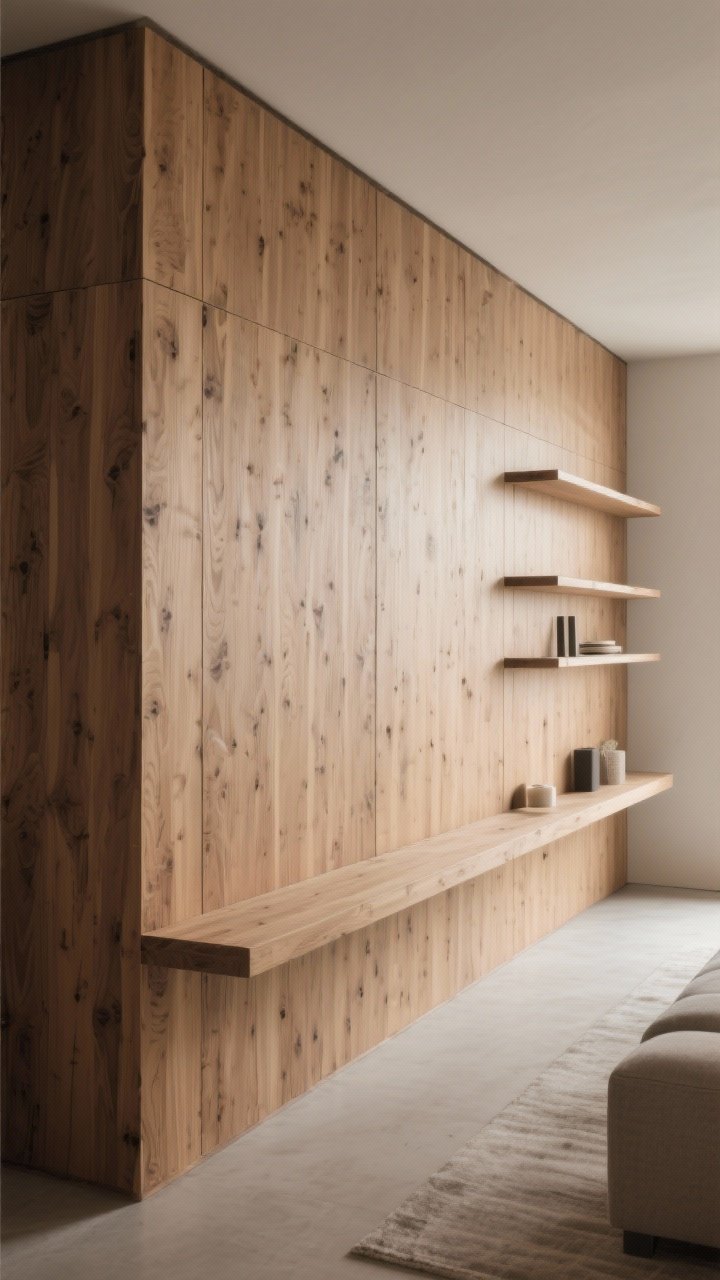
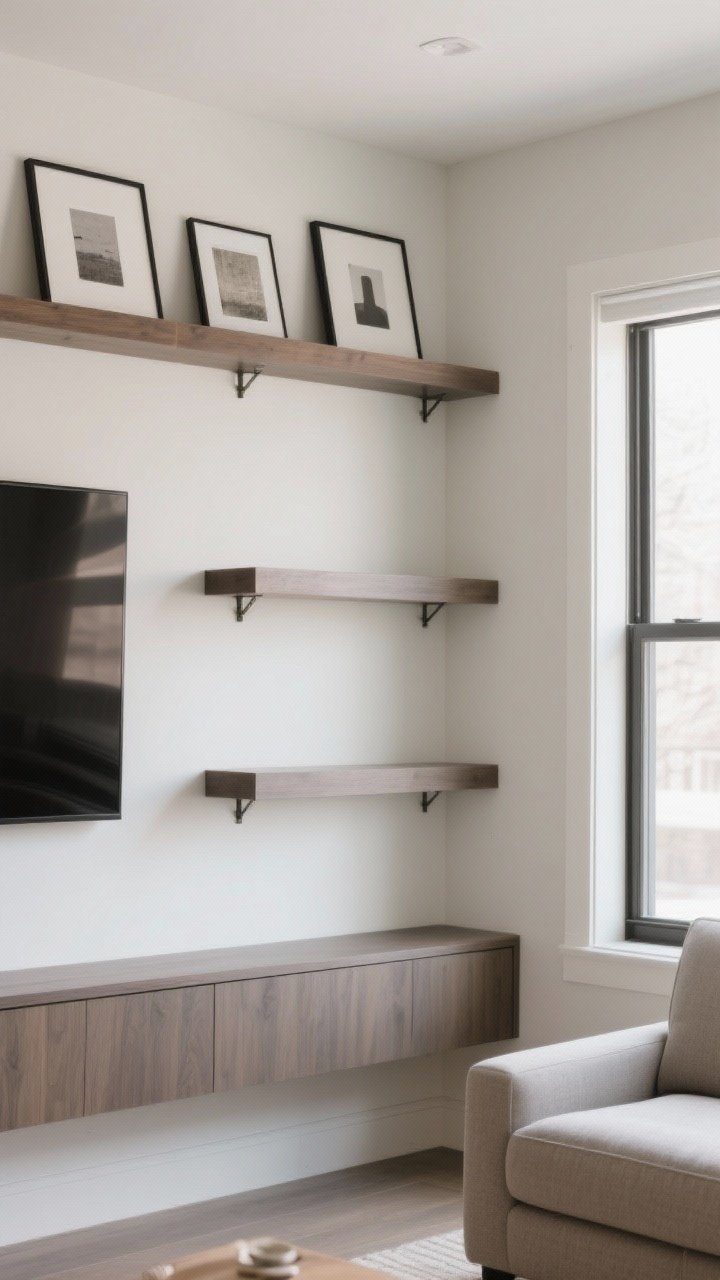
Floating shelves are basically style billboards. Use them to break up a wooden wall, frame a TV, or create a plant ledge moment without committing to bulky cabinets.
Where to Place
- Over the sofa: A single long shelf acts like a casual, symmetrical gallery.
- Beside the TV: Stagger two or three shelves to add softness and display plants without blocking the screen.
- Corner wrap: L-shaped or stacked corners make awkward spaces functional and cute.
- Window-adjacent: Place shelves near natural light to give plants the VIP seat.
Pro Tips
- Keep shelves 1.5–2 inches thick for that modern, sturdy look.
- Match or complement the shelf wood to your panel finish; contrast can be chic, just keep the undertones aligned.
- Mount at eye level (around 57–60 inches) for the main shelf; stagger others 12–16 inches apart.
Bonus: Use hidden-bracket shelves rated for at least 30–50 lbs if you’re adding heavier planters or books. Safety, but make it stylish.
3. Curate Plants That Actually Thrive Indoors
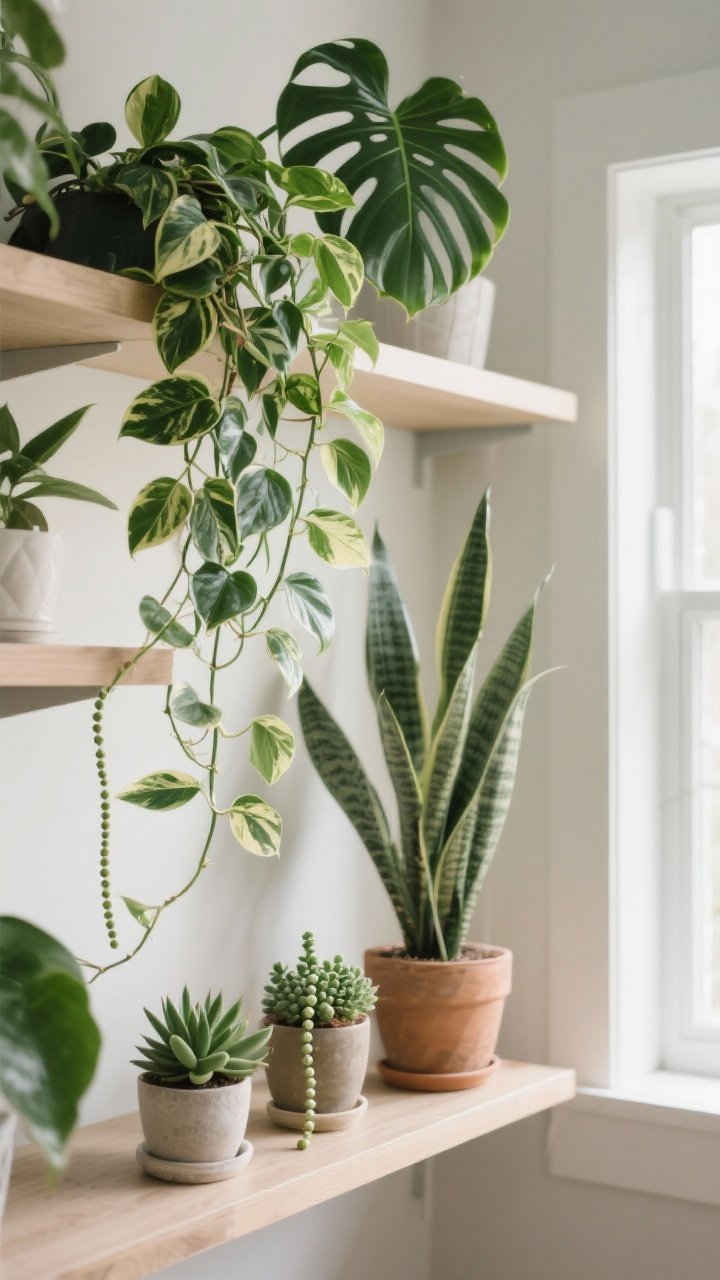
Let’s not set you up for heartbreak. Pick plants that look lush and won’t ghost you after two weeks. Consider your light level first, then the aesthetic.
Best Plants For Your Space
- Bright, indirect light: Monstera deliciosa, Fiddle Leaf Fig, String of Pearls, Satin Pothos.
- Low to medium light: ZZ Plant, Snake Plant, Pothos, Heartleaf Philodendron.
- Pet-friendly picks: Parlor Palm, Calathea, Peperomia, Boston Fern.
Plant-Shelf Combos That Work
- Trailing on upper shelves: Pothos or Philodendron for that effortless cascade.
- Sculptural on middle shelves: Snake plant or ZZ plant for height and drama.
- Mini collection: A trio of small succulents or peperomias for balance.
IMO, a mix of upright, trailing, and textural plants looks the most layered and intentional. Also: rotate your plants monthly so they don’t lean toward the window like they’re eavesdropping on the neighbors.
4. Style Shelves Like A Designer (Without Overthinking)
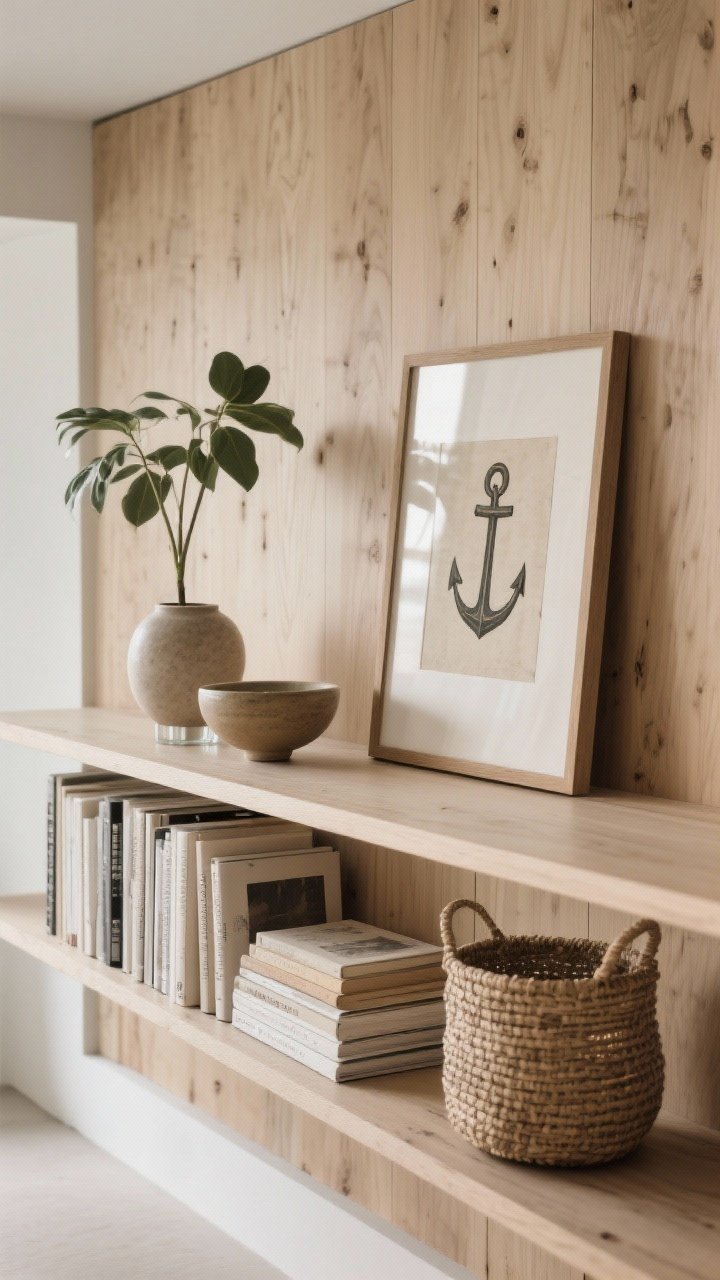
There’s a formula for that polished, effortless shelfie. Think of it as a little style equation: plants + books + objects + negative space.
The Rule Of Thirds (But For Shelves)
- Anchor piece: One larger item (plant, framed art) sets the focal point.
- Stack + layer: A few books horizontally with a candle or bowl on top.
- Negative space: Leave breathing room so it looks curated, not cluttered.
Easy Styling Moves
- Lean art or mirrors against the paneling for depth—no need to drill more holes.
- Repeat materials like ceramic, glass, and woven textures to tie the room together.
- Vary heights and shapes. Tall plant + low stack + round object = visual rhythm.
And yes, you can color-coordinate book spines or flip them for a neutral look. It’s slightly controversial, but your shelves, your rules.
5. Mix Metals, Textiles, And Lighting For Balance
Wood panels and plants bring warmth. Now add contrast so it doesn’t feel like a treehouse (unless that’s your vibe).
Layer Your Materials
- Metals: Brushed brass or matte black brackets and lamps = instant modern edge.
- Textiles: Chunky knits, linen pillows, and a plush rug soften the structure.
- Glass + ceramic: Reflective surfaces keep the look fresh, not heavy.
Light It Like You Mean It
- Add a picture light over shelves or a slim wall sconce beside them.
- Use warm LEDs (2700–3000K) to flatter the wood tones and greenery.
- Consider a small grow light bulb hidden in a table lamp if light is limited.
Lighting is basically Photoshop for your room. You’ll thank me at 7 p.m. when everything glows.
6. Practical Care: Keep Plants And Wood Happy
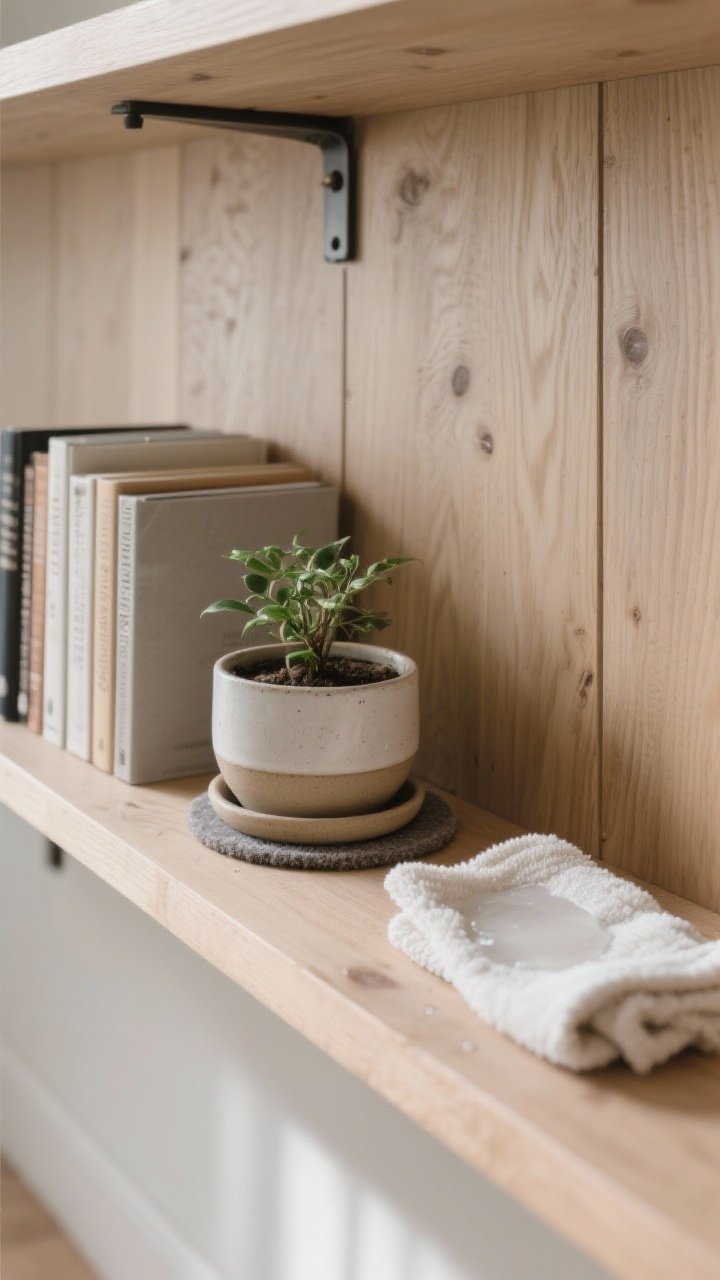
Wood and water aren’t exactly besties, so set up your shelves for long-term success. A little planning saves your paneling from sad water stains.
Moisture And Maintenance
- Use planter saucers or felt pads under pots. Better yet, choose cachepots with removable liners.
- Water plants at the sink, then return them once they’ve drained for 10–15 minutes.
- Dust leaves monthly; clean shelves with a slightly damp microfiber to protect the finish.
Weight And Safety
- Install shelves into studs when possible; use heavy-duty anchors if not.
- Distribute weight evenly. Books on one side, plant on the other—no shelf seesawing.
- For households with kids or pets, keep heavier pots on lower shelves and avoid trailing plants within paw reach.
Quick check: if your shelf flexes when you set a plant down, it needs stronger brackets. Don’t tempt gravity.
7. Pull The Whole Room Together
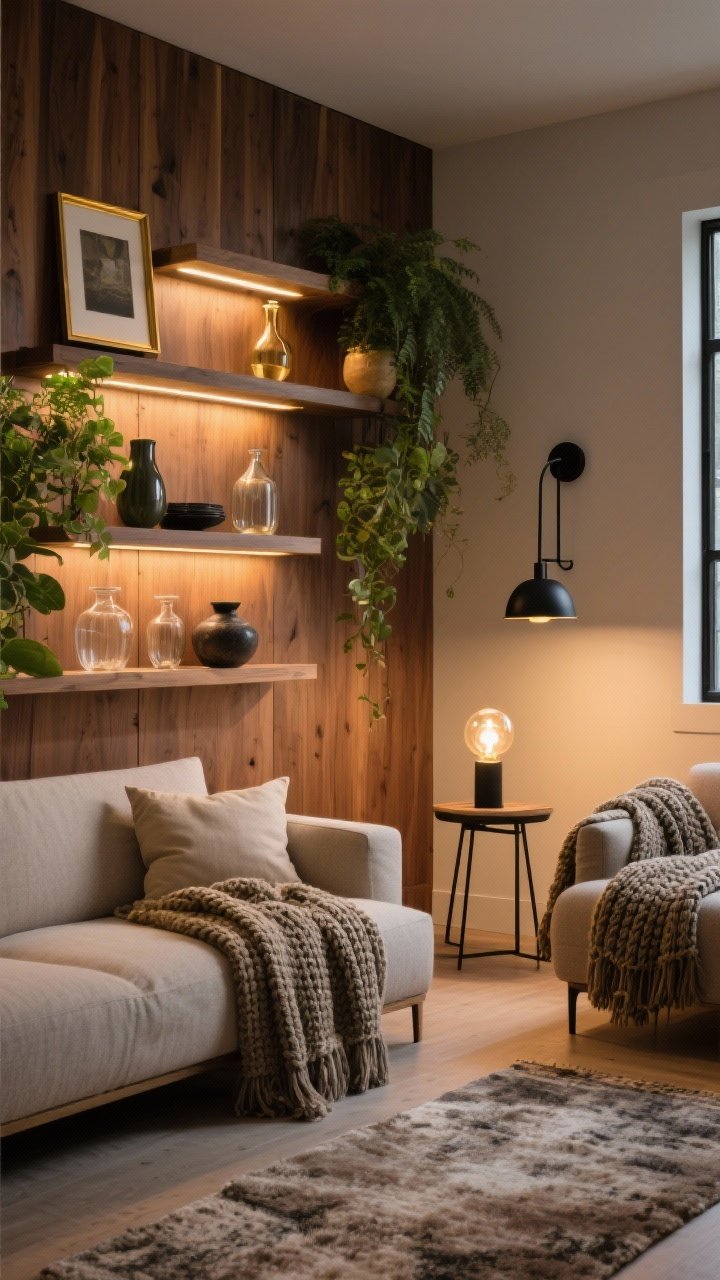
Now that your wall is a moment, echo those materials across the room so it feels cohesive, not just a cool corner.
Repeat The Palette
- Wood tones: Match your coffee table or picture frames to the paneling undertone (warm, cool, or neutral).
- Greens: Add a moss-colored throw, olive pillows, or a botanical print rug for subtle plant energy.
- Black accents: Use matte black in lamp bases or curtain rods to ground the look.
Create Sightlines
- Place a floor plant (like a Rubber Plant or Fiddle Leaf Fig) diagonally from the shelves to balance the volume.
- Use a round coffee table to soften all the linear paneling and shelving.
- Hang one large art piece on an adjacent wall to avoid visual clutter.
Final styling pass: dim the lights, fluff the pillows, and add a candle. You just built a space that’s equal parts calm and conversation-starting—basically the dream living room.
You’ve got this. Start with one wall, one shelf, and one plant. Build from there, and in a week your living room will look like it hired a stylist (spoiler: it was you). FYI, the hardest part will be not buying ten more plants. Consider yourself warned.